Your Widow’s Peak Is Sexy—Stop Hiding It
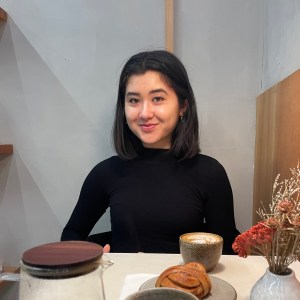
For years, I had intense hair anxiety, jealous of people who could wear their hair in a high pony or rock a slick-backed bun. I left my hair (and my head) down, worried that exposing my forehead would reveal one of my biggest insecurities: my distinctive widow’s peak.
Sometime after I saw Leonardo DiCaprio with his pronounced hairline in The Titanic, I was convinced widow’s peaks were inherently masculine, and that having one would make me less beautiful. (Thankfully, I’ve come a long way since then.) It also didn’t help that every villain in pop culture had one: The Joker, Dracula, Ursula, Hades. Not exactly the most flattering lineup to be associated with.
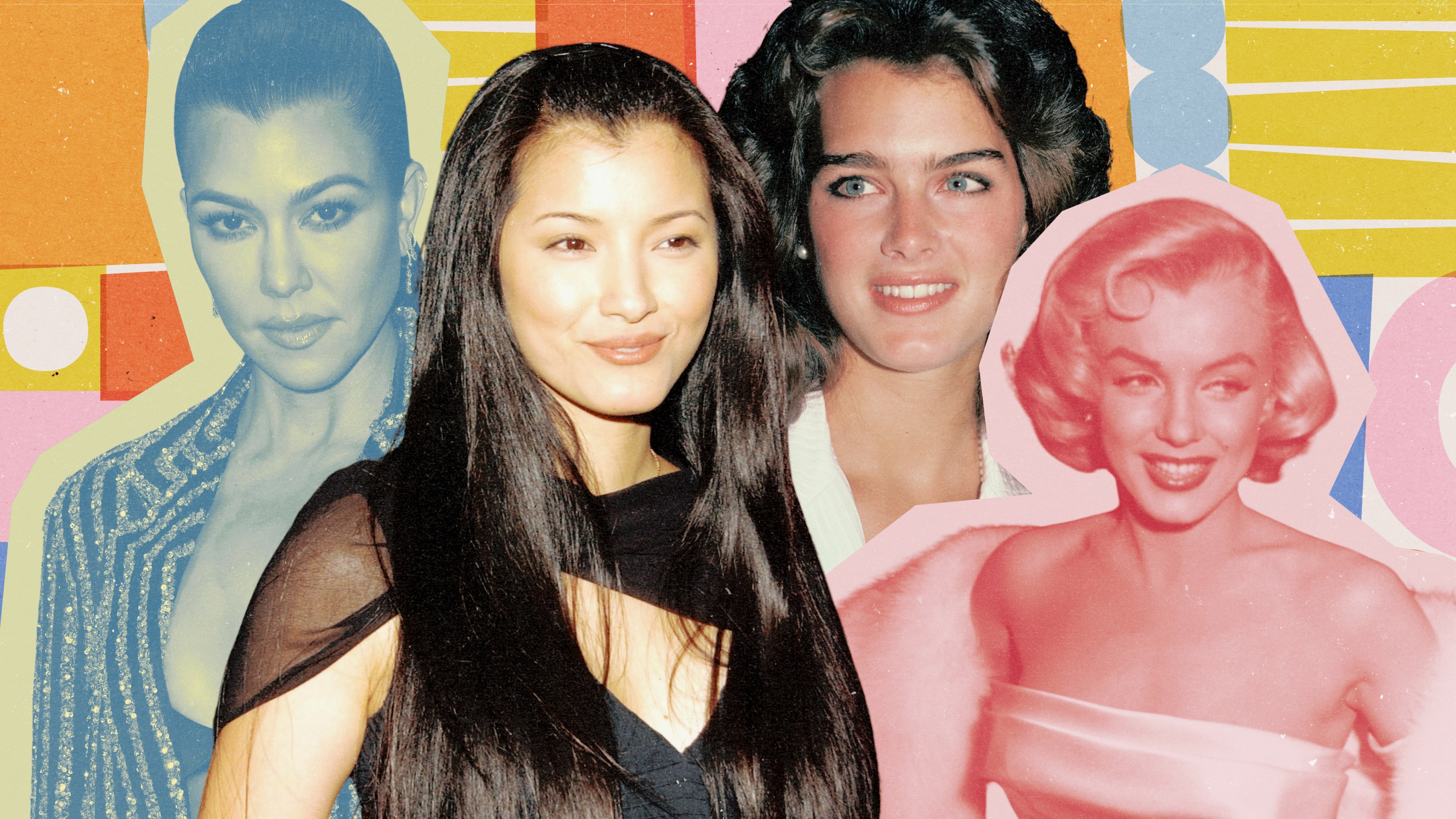
Not to mention, old beauty standards were incredibly anti-widow’s peak. “In the old days, beauty was all about soft lines, symmetry, and youthfulness,” celebrity hairstylist Vito Esposito says. “A widow’s peak created this strong, dramatic point that didn’t fit the romantic ideal.”
These old beauty standards were likely the reasons Marilyn Monroe and Rita Hayworth underwent hairline electrolysis, a painful procedure that involves using a metal probe to zap individual hair follicles, permanently getting rid of any affected hair. Seemingly, this was the equivalent to modern day hairline lasering–a treatment at least one Kardashian has confessed to.
Scientifically, widow’s peaks remain a bit of a mystery: there’s no conclusive American research about how much of the population has one, though one study conducted on Japanese subjects estimates around 30% of women in the country are born with them. They’re slightly more common in men–about 33%. There’s also no definitive research on how widow’s peaks are inherited, but it’s possible you’ll have one if someone else in your family does. “I have a widow’s peak which I inherited from my dad, and my daughter clearly inherited mine,” Editorial Director, Gina Vaynshteyn, says. “What was an insecurity is now something I love in myself and in her—I love that she has this adorable heart-shaped face.”
What we do know is that some people have more pronounced ones than others and from personal observation, then tend to be more noticeable in men than in women.
Why Is It Called a Widow’s Peak? (And Why Does Sounds Like a Curse?)
The name “Widow’s Peak” isn’t exactly the most auspicious, and it turns out the name itself comes from an 18th-century English tradition where women used to wear pointed black triangle hats after their husbands died. Eventually, it became an urban legend that women who were born with these hairlines were destined to become widows. (Misogyny was so alive and well in the 1700s, let’s not forget.)
The Best Hairstyles for Women With Widow’s Peaks, According to the Pros
I was genuinely curious about how a professional would approach a widow’s peak, so I interviewed two celebrity hairstylists, and they shared their best styling tips. Vito Esposito, owner of Vito Esposito Salon in Beverly Hills, says there’s a style for everyone: “If they love their widow’s peak, we highlight it with clean parts or swept-back styles, it can be bellissima!,” he explained. “If they feel unsure, I soften it with layers, a side part, or gentle fringe. There’s always a way to make it feel intentional and beautiful. It’s like cooking, use the ingredients you have and make something delicious.”
William Whatley, Creative Education Director for Scruples Haircare added that leaning into a widow’s peak is the best way to go, but acknowledges that not all hairlines are created equally: “Often a widow’s peak is not exactly in the center of the forehead. It can be slightly to the left or to the right depending on the person,” he says. “They’re going to like their look a lot more if they’re leaning into their widow’s peak versus trying to fight it because you’re never going to win against a natural wave pattern–not without doing something chemically altering and then that just produces damage and as soon as it grows a quarter of an inch, the wave patterns back. So my advice: lean into the widow’s peak.”
How I Learned to Love My Widow’s Peak
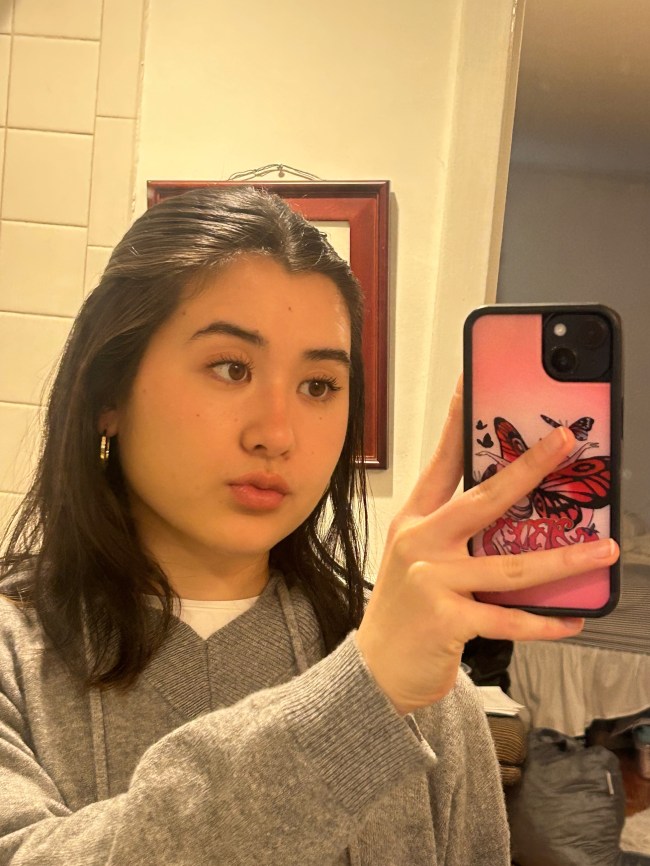
It takes time to embrace an insecurity–at least, it did for me. It wasn’t until a few years ago that something clicked, and I felt like it was time for me and my widow’s peak to come out of hiding. I scoured TikTok for hair inspiration, asked my hairdresser what she recommends (and actually listened to her, for once) and experimented with loads of hair styles and accessories. Once I found the things that worked, I was hooked. I owe it all to early 2000s rom-coms for inspiring my middle part, newfound love for blow-outs, and daily use for claw clips. I feel like I’ve since blossomed into a renewed, glamorous version of myself. Plus, it felt good to finally wear my hair out of my face.
Something else that also changed my perspective: it’s exciting to be unique. In an era where everyone’s starting to look the same (a phenomenon I don’t have time to get into, but is basically the result of social media filters and synchronized trends), I’d say my distinctive features are what make me interesting, and the pros agree: “It’s a crown, not a flaw,” Esposito says. “With the right cut, widow’s peaks becomes a signature like Sophia Loren’s cheekbones or Monica Bellucci’s eyes. Don’t hide it unless you want to. And if you do, that’s okay too. But never feel like you have to.”
Esposito adds, “In Italy, we say ‘La vera bellezza è nell’unicità’–true beauty lies in what makes you unique.”