How to Properly Use Essential Oils to Boost Hair Growth, According to a Derm

All products and services featured are independently chosen by editors. However, StyleCaster may receive a commission on orders placed through its retail links, and the retailer may receive certain auditable data for accounting purposes.
The amount of ways essential oils can be used is quite impressive; from aromatherapy to DIY cleaners, they’re a versatile helper to keep on hand. Plus, their benefits can even extend into hair care—some essential oils have the power to minimize dandruff, support a healthier scalp environment and increase microcirculation for optimal growth.
You may have seen certain essential oils grace your FYP on TikTok, with folks spotlighting their scalp transformations from the use of options like rosemary oil or castor oil. But like any potent ingredient, you need to take proper precautions to avoid unwanted side effects.

Luckily, we’ve got all the answers to your burning questions about implementing essential oils into your weekly regimen. If you’re looking for a more natural route to gaining results in the hair growth department, keep reading.
How effective are essential oils for boosting hair growth?
“Like many herbal and botanical remedies, their efficacy and benefits are largely anecdotal,” certified trichologist, Bridgette Hill, shared with StyleCaster. “Some oils have properties that nurture the hair fiber by providing moisture, strength and elasticity, as well as supporting the scalp microbiome and skin barrier that reduce inflammation, are antimicrobial, and encourage cellular turnover. The perceived growth should be attributed to the preventive impact using oil has on the hair fiber by reducing shedding and breakage resulting in longer hair fibers.” But retaining the delicate balance of the scalp’s microbiome should be a priority when discussing hair growth. “Rosemary oil, anecdotally, does clean the scalp of unwanted bacteria, (yes certain oils actually have cleansing properties) and reduces inflammation, keeping the scalp nurtured and creating a high functioning hair follicle (resulting in the creation of a healthy hair fiber.)”
What essential oils should you be using to see improved hair growth?
There are a handful of options to choose from, with each bringing their own unique benefits to the scalp.
Rosemary Oil
Rosemary oil has been proven to revive and heal a compromised hair follicle on its own. As Hill explained, “In 2015 a clinical trial on humans was conducted comparing hair growth rates using rosemary oil versus minoxidil. After six months, rosemary oil proved to deliver results equal to minoxidil in treating androgenic alopecia. Rosemary oil is good for hair growth because it is antimicrobial, anti-inflammatory, increases blood circulation, and is a fatty acid.”
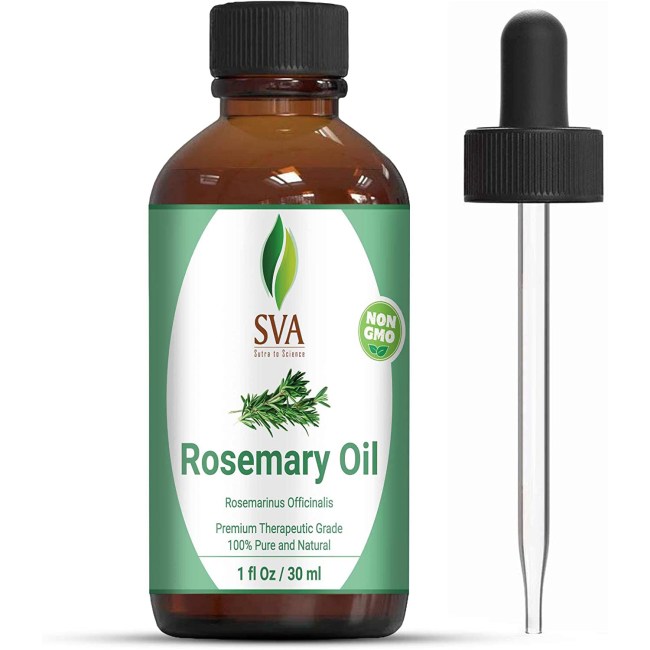
SVA Organics Rosemary Oil
Avocado Oil
“A 2015 International Journal of Trichology study found that the minerals in avocado oil helps seal the cuticle cells that prevent hair fiber breakage as well as seals in moisture, making avocado oil a wonder oil for those that struggle with dry, damaged or frizzy hair.”
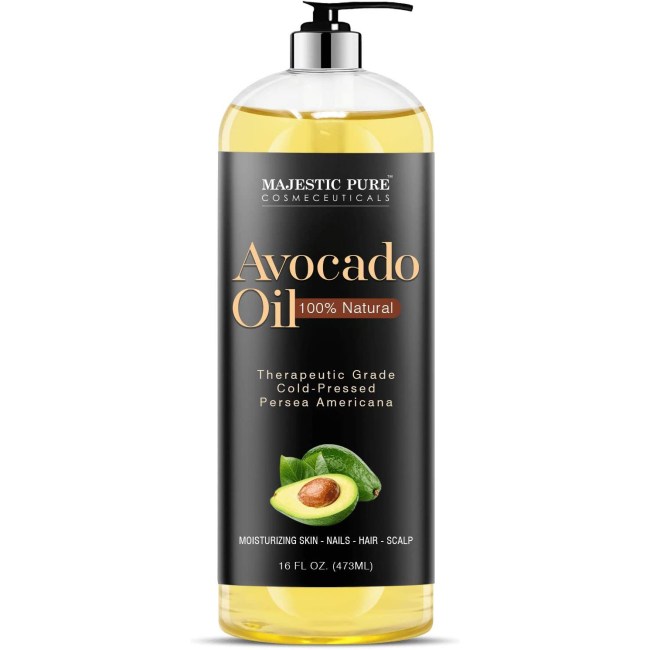
Majestic Pure Avocado Oil
Shea Oil
“Shea Oil is an ultimate cleansing oil, as it is able to break down [unwanted] oils on the scalp and hair fiber that lead to build up and unwanted fungal and bacterial growth on the scalp,” said Hill. It also acts as a primer for the hair fibers, allowing them to retain natural protein and moisture properties from your other hair care, such as conditioner.
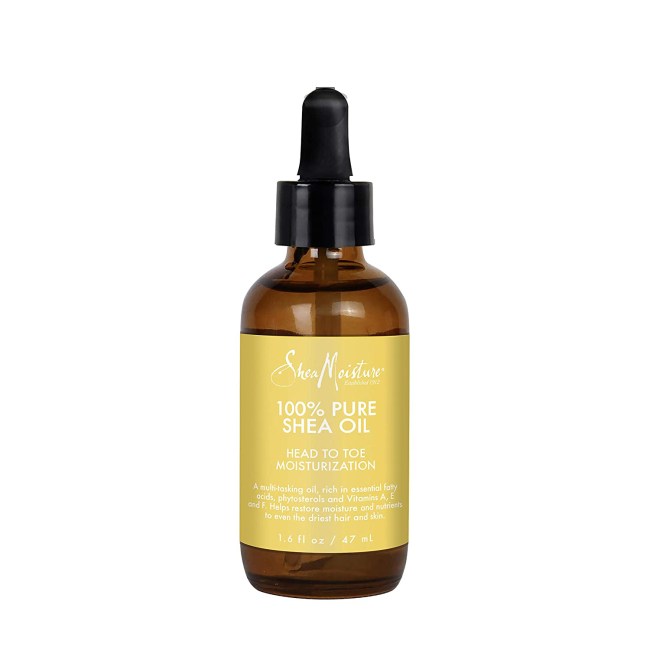
Shea Moisture Shea Oil
Argan Oil
According to Hill, many different hair types and textures can benefit from using argan oil. It brings fatty acids and vitamin E to the strands, and has a molecular structure that is small enough to penetrate deeper into the cuticle, in turn forming a protective barrier that will prevent further damage.
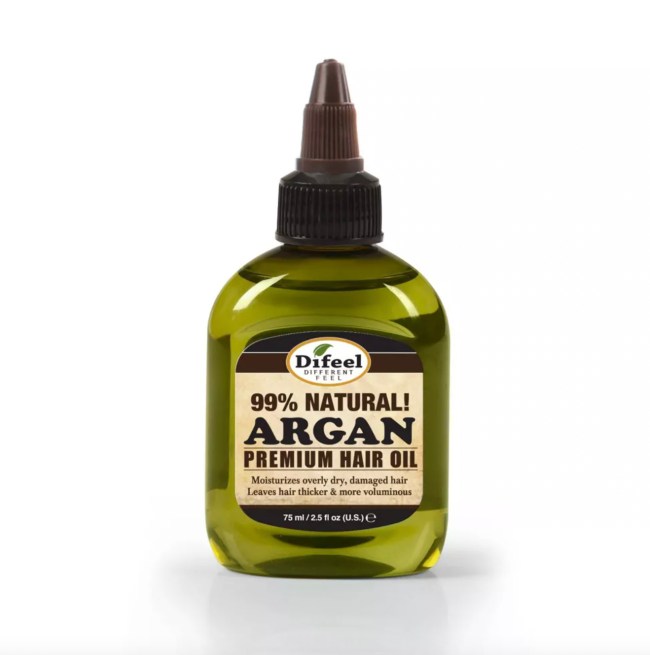
Difeel Argan Oil
Castor Oil
One of the more popular options widely used, castor oil can nurture and support healthy hair follicles across several areas, including the scalp, eyebrows and eyelashes. Since the oil contains a ton of nutrients, it aids in protecting the hair follicles from outside aggressors that may wear them down overtime.
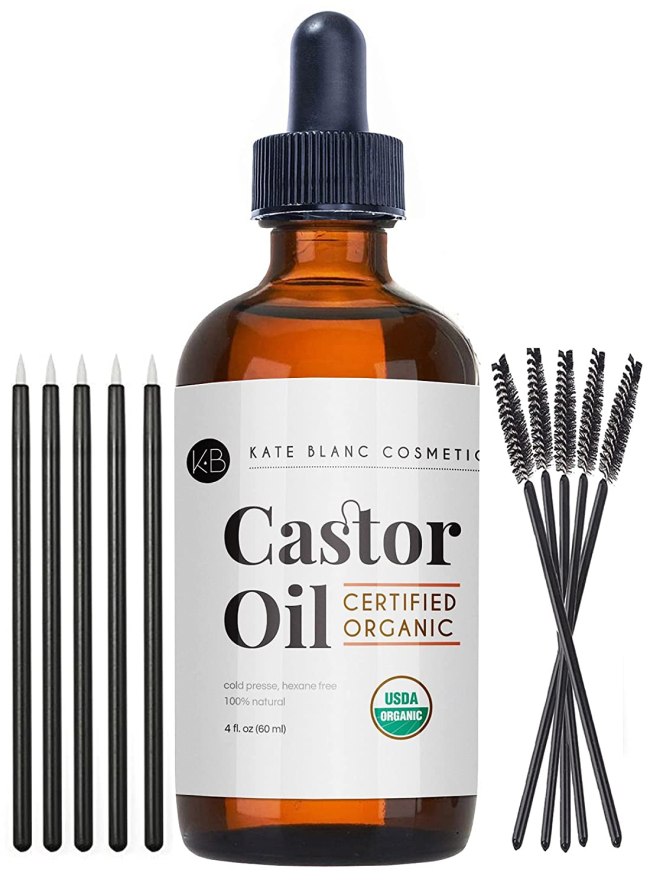
Kate Blanc Castor Oil
How should you properly apply essential oils to the scalp?
In order to avoid unwanted side effects, all essential oils should be diluted with a carrier oil. Hill recommends patch testing to rule out skin sensitivities ahead of applying to the scalp; place 3 drops on the forearm and wait 24 hours to see if there is an irritation or negative reaction. “I find applying the oil with an applicator that has a nozzle applied directly to scallop is best for thorough application,” she said.
How should you apply essential oils to see results?
Hill has her own personal advice when it comes to applying any of the above essential oils. “My scalp and hair care philosophy is rooted in the belief that oils are best used as pre-shampoo treatments for scalp and hair. Apply to scalp to un-shampooed dry hair. Allow the oil to process for a minimum of 15 minutes. I encourage people to sleep in treatments for maximum benefit. Simply stated this should be the first step before shampooing. Ideally this should be done before using any detergent-based cleansers.”
Are there any essential oils you should avoid?
According to Hill, oiling the scalp with improper oils, pomades, or greases that feed bacteria, are not anti-microbial or anti-fungal in nature can negatively impact scalp health and hair fiber growth. “Oiling the scalp should be a pre shampoo practice, unless hair is braided or in protective styles. Anyone managing chronic medical scalp conditions should tread lightly when using any type of natural herbal oils or products.” As always, the benefits of herbal and natural oils on the scalp and hair are unique to the individual. “We are still unclear on the long-term impact to control unwanted bacteria, fungi, and yeast that contribute to medical scalp conditions. As previously stated, pre-shampoo scalp oiling may be okay to use when treating dandruff, but it depends on the severity of the problem.” If anything, refrain from using mineral oil, which can cause build up over the scalp and hair fiber, and oils that can be comedogenic, like olive oil. Refrain from pomades, grease, or products with wax, too.
Shop some other top picks down below.
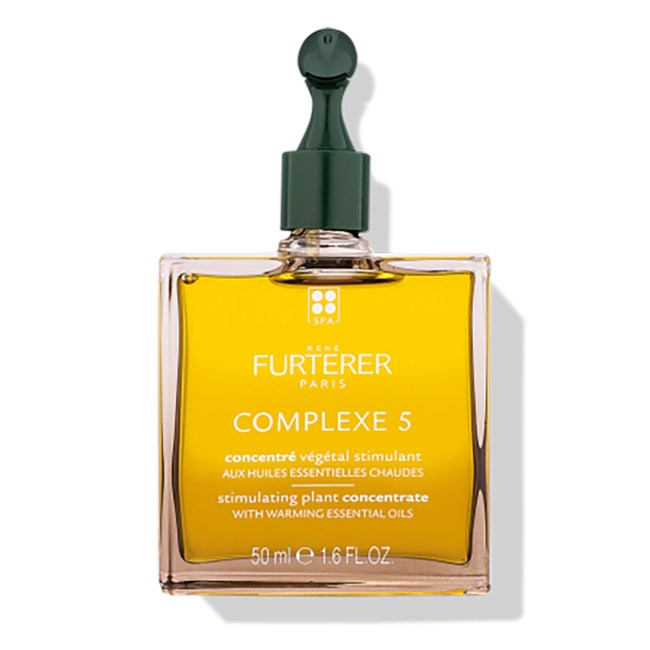
This hair growth oil comes with a targeted scalp massager tip that increases your odds of seeing results; the tip promotes better microcirculation (which leads to growth) and helps deliver the ingredients deeper into your scalp.
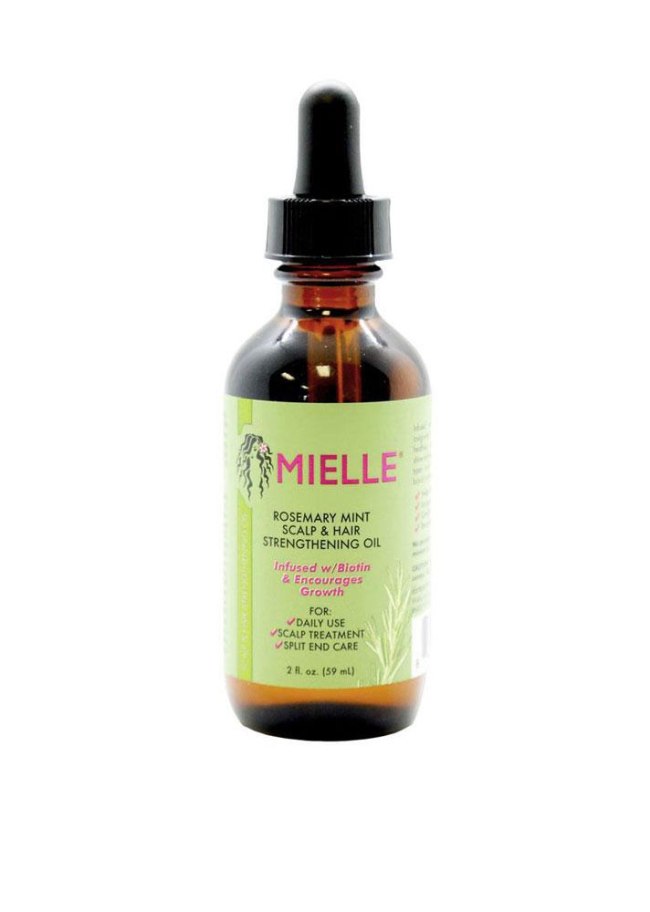
This TikTok-viral scalp oil contains rosemary, biotin and mint and can be used daily to combat shedding, split ends and more. It’s also available at Amazon .

This 100 percent, cold-pressed castor oil can be applied to both the scalp and brows for results. It’s also vegan, cruelty-free and hexane-free.