4 Confusing Types of Concealer, Demystified
Concealer by any other name—corrector, brightener, camouflage—still works to conceal, but the purpose of each variation can be a little difficult to discern. After all, one was not born knowing exactly what to do with something that says “concealer” on the packaging but is, uh, green. In the name of clearing up the concealer conundrum once and for all, we’re breaking down exactly how each of them work, and how they should be used, for your most flawless face ever.
Brightening Concealer
True to its name, brightening concealers work to diminish the appearance of dark areas, particularly the under eye area, where dark circles can lead to a tired, weary look. Often packaged in brushes or pens as a liquid, brightening concealers are meant to be applied beneath the eyes in a triangular shape spanning from the inner corner of the eye to the outer. This method of application covers all the bases, targeting not just the immediate under eye area but the surrounding shadows as well. Brightening concealers can also work great underneath regular concealer to erase dark spots, like acne scars, but you should avoid using them on redness and other blemishes, as they can call attention to those areas.

Green Concealer
Terrifying in the tube but totally reasonable in practice, green-tinted concealer works to cancel out any redness in the skin, as the two colors lie opposite one another on the color wheel. One thing you should know about green concealer is that, while it can work wonders on inflamed acne and ruddiness, using too much of it can result in, well… green skin. Use as little as you need to address the issue and blend well. You should also always apply green concealer before you go over with your regular flesh-toned concealer to keep your complexion looking seamless.
Creamy Concealer
Thick, creamy formulations are best suited to areas that tend toward dryness, like the immediate under eye area, where concealers often tend to crease and settle into fine lines. Creamy concealers are perfect for that job—they hydrate and leave a smooth, well-moisturized finish behind. They’re also great for places where old blemishes have turned to dry spots from acne-fighting treatments, as they help to moisturize and assuage flakiness. However, they generally aren’t meant for active blemishes or acne flare-ups: The oil-based ingredients can exacerbate already-existing spots.
Blemish-Treating Concealer
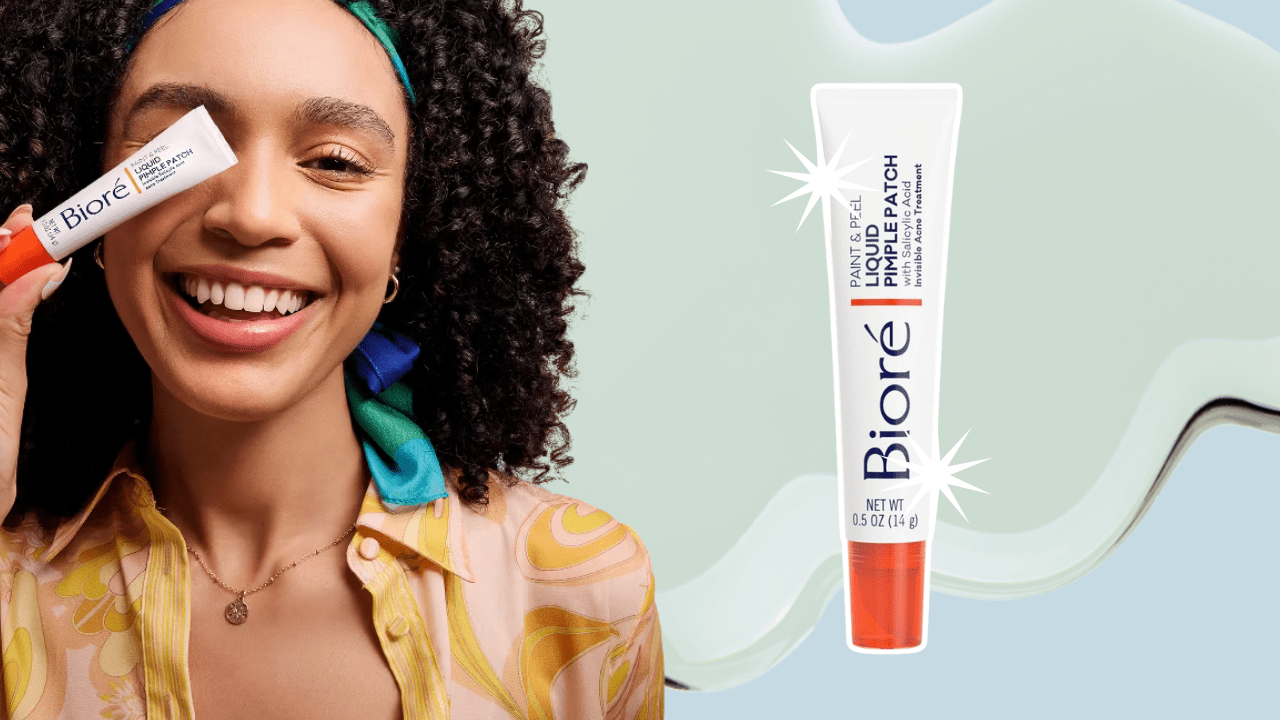
Blemish-treating concealer should, of course, be used to treat blemishes, but it’s also important to use it only for that purpose. These formulas are intended to try out the areas to which they’re applied using anti-acne ingredients like salicylic acid and benzoyl peroxide, so using them on other areas that need concealing, like under your eyes or around your nose, can lead to unpleasant flakiness, just as you wouldn’t apply spot-treating products on super dry skin. That said, they’re still indispensable for covering and addressing blemishes all in one. Like we said: indispensable.
Read more from Daily Makeover: The Perfect Photo-Ready Face in 5 Minutes