BlackShowerTok Says You’re Showering All Wrong—Here’s What a Dermatologist Recommends


All products and services featured are independently chosen by editors. However, StyleCaster may receive a commission on orders placed through its retail links, and the retailer may receive certain auditable data for accounting purposes.
On TikTok, a new wave of creators is redefining what it actually means to shower well—and they’re not talking about a quick rinse and go. Addressed as #Showertok, and led in education by #Blacktok (to then become, well, #BlackShowerTok) this corner of the platform has become a hub for education in the art of body care, where (primarily Black) creators share thorough, step-by-step routines centered on exfoliation, hydration, and hygiene. Their tutorials have struck a chord, inspiring viewers to rethink their approach to daily cleanliness and turning what was once a mundane habit into a self-care ritual rooted in intention and skin health. But what does it actually mean to shower well? We talked to a derm to clear it all up.

How to Properly Shower—According to #BlackShowerTok & Derms
According to Lisa Akintilo, MD, a dermatologist at NYU Langone Health, it starts with getting the basics right. “To clean oneself properly, one should use some kind of gentle cleanser to remove sweat, oil, dirt, and excess bacteria or other pathogens from the body,” says Dr. Akintilo. She notes that certain areas—the armpits, groin, and feet—deserve particular attention, not just for cleanliness but overall health. “We also cannot forget how the physical act of showering, if accessible, can lead to improvement in mood, circulation, and muscle tension. Mental health is just as important as physical health.”
As for how often to shower, the answer depends on your environment, activity level, and even cultural habits. “In general, dermatologists recommend showering at least once a day,” says Dr. Akintilo, though she acknowledges that factors like humidity, pollutants, and skin conditions can change what’s ideal.
Is Exfoliation the Key to Showering “Correctly”?
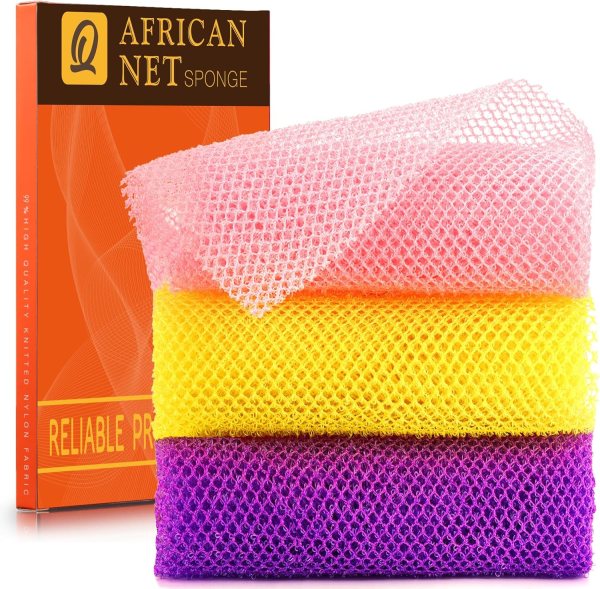
Exfoliation—the step that Showertok champions—is another area that requires balance. “There are many different ways to exfoliate the body—physical exfoliation, like washcloths, loofahs, or exfoliating gloves, and chemical exfoliation, like cleansers with alpha or beta hydroxy acids,” says Dr. Akintilo. “The frequency of exfoliation again depends on one’s individual skin type and skin concerns; it certainly is not a one size fits all.” Those tools should also be replaced every few months to prevent bacteria buildup.
If your skin feels tight, looks flaky, or becomes red or irritated after cleansing, you might be overdoing it. “Signs that a shower routine is too harsh include skin redness, irritation, excess dryness, or flakiness,” says Dr. Akintilo. “This likely means the body has been over-exfoliated to the point of damaging the skin barrier.”
Temperature and timing also matter more than most people think. “Hot showers strip the body of its natural oils and can dehydrate the skin, so in general dermatologists recommend short, lukewarm showers to avoid excess dryness,” she explains.
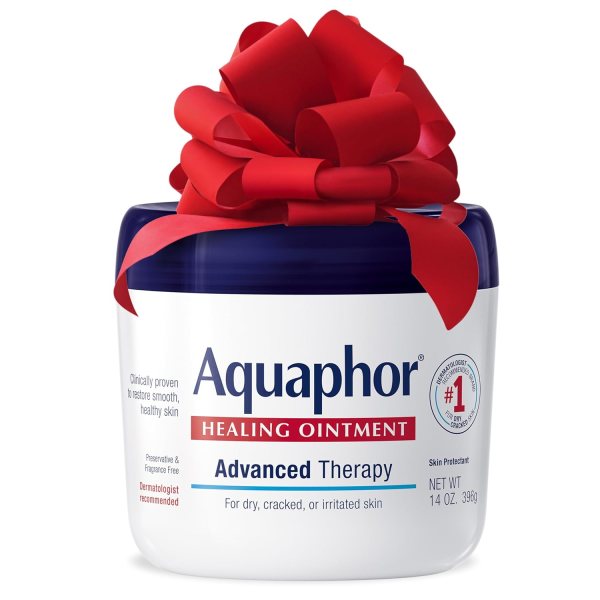
Finally, Dr. Akintilo underscores one of Showertok’s favorite steps: moisturizing right after stepping out. “We do strongly recommend the use of a moisturizer after the shower to provide hydration back into the skin,” she says. She points to three main types of moisturizers—humectants (like hyaluronic acid and glycerin), occlusives (like petrolatum and Aquaphor), and emollients (like ceramides and squalene)—which can be used individually or together to maintain hydration throughout the day.
If you’re looking to level up your shower routine, Dr. Akintilo recommends three simple steps: “Shorten showers to 3–5 minutes, keep the temperature lukewarm, and use a moisturizer immediately after showering for cleaner, healthier skin.” And most importantly, she adds, don’t stress about doing it the “right” way. “A lot of shower practices are culturally-based or are habits that come from how and where we were raised—many practices are not inherently wrong or right. I recommend people try out different methods and find what works for them.”
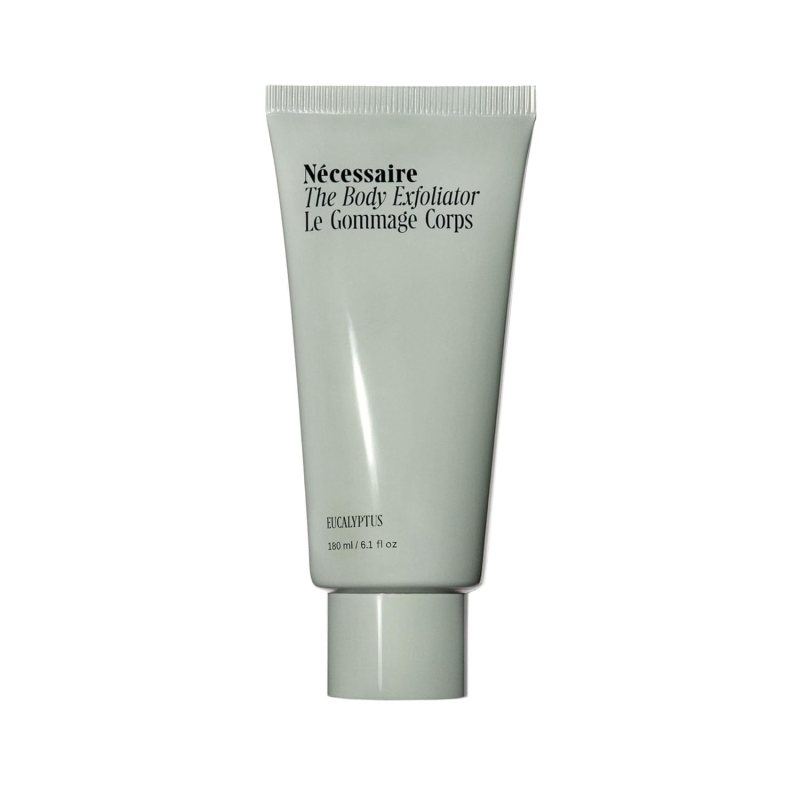
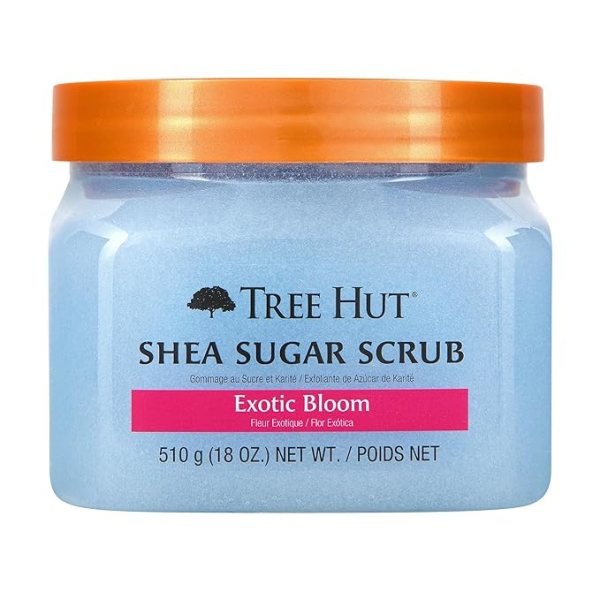
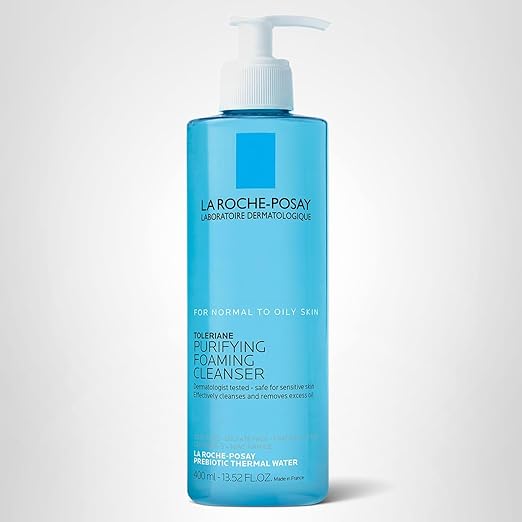
Some of the Best Products to Take Your Shower to the Next Level