An Even Score: Get the Complexion You Want


Don’t get us wrong, we love experimenting with makeup over here at Beauty High. However, we also covet picture-perfect #flawless skin that looks lit from within without a stitch of cream, powder or gloss. Concealer and foundation may hide imperfections temporarily, but a great skin care routine can eliminate uneven skin tone once and for all. We rounded up three top dermatologists to shed light (no pun intended!) on dark spots, discoloration and more to help you achieve the clear, even complexion you’ve dreamed of!
Find the root of the cause: “Uneven skin is caused by a variety of factors, such as sun damage, tanning beds, family history, acne, some rashes and autoimmune diseases,” says Dr. Jeanine Downie, director of Image Dermatology P.C. in Montclair, N.J. “Sun damage is the most prominent cause for an uneven skin tone as it destroys the levels of vitamin A and antioxidants within the skin,” adds Dr. Desmond Fernandes, M.B.B.S, and Founder of Environ Skin Care. “Vitamin A is responsible for the even distribution of melanin and when you remove that control, uneven pigmentation can develop,” he elaborates.

Seriously, using SPF is mandatory!: Regular use of sunscreen can help minimize fine lines and wrinkle, enhance skin tone, reduce the appearance of freckles and help prevent skin cancers. “Using SPF is absolutely critical!” says Dr. Downie. “You can prevent uneven skin tone somewhat by using and reapplying sunscreen with an SPF 30 (like Aveeno Protect + Hydrate Sunscreen Lotion SPF 50) every single day – rain or shine, January through December, regardless of ethnicity,” she says. “As a dermatologist I see women and men of all cultural backgrounds with uneven skin tone issues,” Dr. Brian Zelickson, Founder of Zel Skin Clinic and Creator of MD Complete skincare. “While darker skin tones do have some built-in sun protection, it’s still prone to excessive damage from UV rays.”
MORE: Are You Using an Excessive Amount of Product?
Start with a great skin care routine: Apart from sunscreen, it’s important to keep a few additional products in your beauty arsenal. “Most of visible photo-damage results from the vitamin A deficiency, so it’s a ‘no-brainer’ that vitamin A has to be part of everyone’s skincare regimen,” advises Dr. Fernandes. “Teens should also have a great body moisturizer, a great lip balm, and an excellent facial wash (like Neutrogena Oil Free Acne Wash) and body wash as part of their regiment,” adds Dr. Downie. “Women in their 20’s and 30’s can also start using anti-aging products as a preventative measure.”
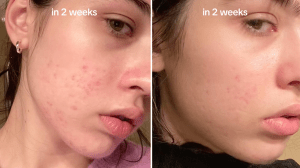
Treat discoloration accordingly: “I recommend that clients should treat their dark spots with special intense treatments containing vitamin A, C, B3, Undecylenoyl Phenylalanine and their usual vitamin A and antioxidants all over,” says Dr. Fernandes who is a fan of Environ Evenescence C-Boost. “Many of my patients spot treat dark marks with a fade cream like Ambi, while others will use products all over,” shares Dr. Downie. “[Your treatment method] depends on the type of dark spot, your individual skin tone, as well as what you are trying to treat.”
MORE: How to Make Pores Smaller
Pick a serum that works: “There are a few ingredients one must focus on when selecting a serum – vitamin A as retinyl palmitate, retinyl propionate, retinyl acetate, retinol, hecyl decal ascorbic palmitate (ascorbic tetra isopalmitate), magnesium ascorbic phosphate, undecylenoyl phenylalanine, niacinamide (vitamin B3),” advises Dr. Fernandes. “I would avoid using peptides such as, Kojic acid, bearberry, and licorice extracts.” Dr. Zelickson cautions patients to consider the products they are pairing together. “Some serums can be irritating when used with a retinol and lightening agent,” he says. “It’s best to work with a skin care professional [or dermatologist] to find the right program for your individual skin issue.”

Beware of the paradox of peels: “With proper guidance by a skin care therapist, at-home peels can be an important part of controlling acne,” explains Dr. Fernandes. “However, ‘peeling’ is not the way to treat uneven skin tone and one can actually aggravate the situation.” Dr. Downie agrees, “Do not purchase any [medical grade] peels off the internet! They have burned my patient’s faces and caused considerable damage.”
Exfoliate with caution:“The paradox is that the skin visibly looks improved immediately following exfoliation–however, it does absolutely nothing to the actual melanin productive area where the mark arises,” explains Dr. Fernandes. On the other hand, if you do want the smoothing benefits of an exfoliation, proceed with caution. “I recommend patch testing different exfoliating products on your chin only, to see how your skin reacts to the product,” says Dr. Downie. “Many of my patients find their favorite product through trial and error.” Dr. Zelickson recommends clients use an alternative method to exfoliation. “You really need to be careful, too much can irritate the skin further and increase hyperpigmentation,” he warns. “I prefer the combination of using a good sunscreen [SPF30+] in the morning paired with a retinol and bleaching agent in the evening.”