Botox May Be the Answer Yet Again: May Prove to Help With Depression
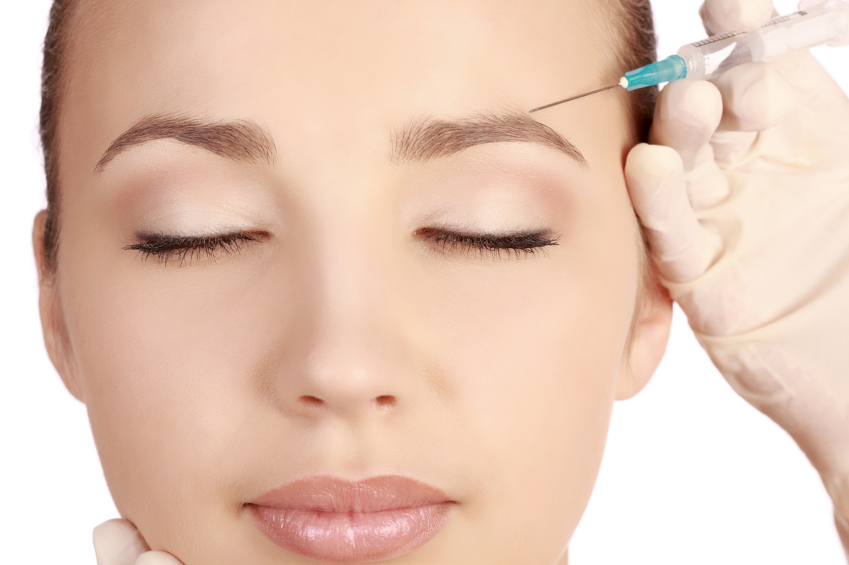
Botox is no longer an injection to reduce the appearance of wrinkles, it could be the cure-all miracle medicine for a long list of diseases and disorders.
For the last decade Botox has been known as the cosmetic medicine that women use to zap even the slightest wrinkle every few months and if abused, can leave them with a paralyzed and emotionless face. But in the last few years doctors have been experimenting with it in muscles all over the body. While the FDA has only approved the medical use of Botox for six disorders and Botox Cosmetic for forehead wrinkles, doctors are jumping ahead and injecting the medicine in patients for other reasons.

The most recent study suggests that Botox may help people with treatment-resistant depression. While a similar study was done with a small group in 2006, this first randomized and controlled study found that depressive symptoms in the treatment group decreased 47 percent after six weeks. The study used patients with a major depressive disorder that has been unresponsive to antidepressant medications.
This may seem odd (as other studies have suggested that the inability to express emotions could be harmful), but the treatment impairs people’s ability to read others’ face and emotions and so while they may feel sad on the inside, they won’t be able to look sad. The author of the study, M. Axel Wollmer, a psychiatrist at the university of Basel in Switzerland, says it “interrupts feedback from the facial musculature to the brain, which may be involved in the development and maintenance of negative emotions.”
Botox is also used to treat excessive sweating, neck pain and muscle spasms, eye twitching, crossed eyes, muscle stiffness in the elbow, wrist, and finger muscles, and chronic migraines. Other studies have found the toxin can be used to treat certain types of cancer as it boosts the effects of chemotherapy, fight Parkinson’s disease, and control bladder problems. It can also be used to treat stroke victims’ muscle spasms.
Some doctors have suggested Botox to reduce pore size, blotchiness, and oily skin. While consumers must shell out cash for Botox Cosmetic, some health insurance companies will cover the medical uses of Botox.
So will the wrinkle fighter be the next miracle worker? After some more studies, it could be.
[Image via Istock]