Should You Be Exfoliating Your Eye Area?
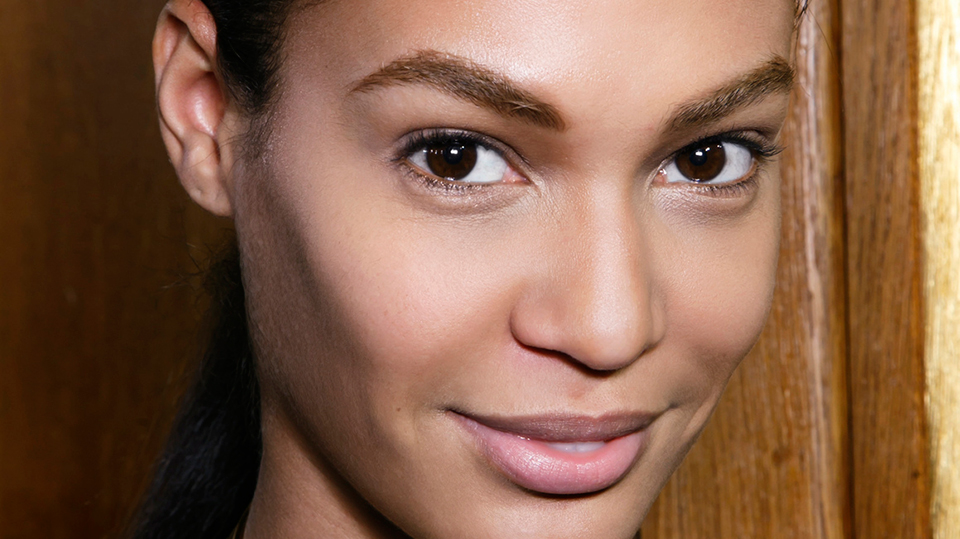
Fear-mongering, as it relates to the fragile nature of the skin around your eyes and how to treat it accordingly, is very real. The under-eyes are the museum exhibit of the face; you are welcome to look, to criticize, to pick it apart, so long as you do not touch. “Avoid the eye area while using this product.” “Tap eye cream on gently with your ring finger.” “Don’t rub too hard while removing waterproof eye makeup—just don’t rub at all, for that matter, and absolutely do not scrub.”
You’d think all those rules and regulations would preclude exfoliation from being a thing you can and should do in that oh-so-delicate eye area, but … maybe not? Exfoliation, as it stands, is the only way to encourage the skin to shed dead cells, preventing the spent ones from building up and causing dry, dull, rapidly aging skin—and like the rest of your face, the skin under your eyes isn’t immune to that natural cycle of death and rebirth. It flakes. It gets dry. It gets worse as you get older. (Wince.)
MORE: The Scoop on Eye Cream—and How to Choose the Right One for You
There are dissenting opinions on the issue, most of them found on the internet, so let’s clear it up once and for all: Yes, you should be exfoliating underneath your eyes—but no, you should not be scrubbing, sloughing, or otherwise applying pressure or force. “Gentle makeup removers are generally enough to get rid of not only eye makeup, but also dirt, oil, and dead cells at the same time,” says dermatologist Joshua Zeichner, MD. That means you’re effectively “exfoliating” every time you sweep off your eye makeup with a cotton ball, rendering an additional exfoliation obsolete after all.
The main reason you should avoid more drastic measures, says Dr. Zeichner, is that the under-eye area easily becomes inflamed. “Inflammation can cause dead skin cells to rev up pigment production, which promotes dark circles, [and] chronic inflammation can cause damage to collagen and elastin, leading to wrinkling.”
MORE: The One Thing You’re Not Doing to Hide Dark Circles
According to Dr. Zeichner, the original guideline still stands. “Concentrate on protecting the sensitive skin around the eyes,” he says. “Don’t apply too much pressure, avoid excessive rubbing, and use products that strengthen the skin in the morning and repair damaged skin in the evening.” So if it ain’t broke, don’t fix it—as in, unless you’re taking your eye makeup off, continue to leave your eyes well alone. As for when you are taking your eye makeup off, opt for an oil-based remover like the travel-friendly Almay Longwear & Waterproof Eye Makeup Remover Pads ($5.03; at drugstore.com), since they’re gentle on skin and are more effective at removing stubborn makeup—even waterproof formulas.