Meet The Only Closet Organizing Tip That Works

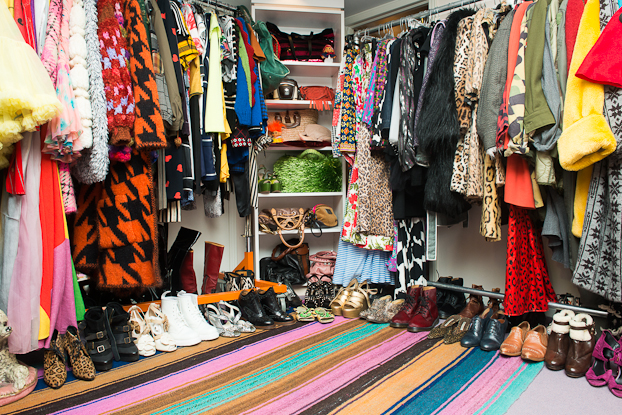
 Photo: Beckerman Bite Plate
We love tried-and-true advice as much as the next girl, but—when it comes to the act of cleaning out your closet—we’re a little fatigued by the same ho-hum tips we’ve heard and time and again.
Namely? The one about getting rid of clothes if you haven’t worn it in a year. It’s not a bad gauge, but it’s also not the most effective. After all, most of us do own things like dressy pieces, sentimental pieces, or items we rarely put on your bodies but that we truly want to hang on to—and we think there’s nothing wrong with that.


MORE: 50 Perfect Spring Dresses—at Every Price Point
Since we’re always on the hunt for newer, more modern tips to make our lives easier, we enlisted closet guru Melanie Charlton Fascitelli to share some of her organizing advice.
However, we didn’t expect to be so floored when Fascitelli—founder and creative director of the New York City-based couture closet design company Clos-ette and author of Shop Your Closet: The Ultimate Guide to Organizing Your Closet in Style —casually busted out a closet-culling tip that has quite literally changed our lives.
MORE: When Should You Get Rid of Clothes? Here’s a 10-Step Guide
Instead of the hackneyed “have I worn it in a year” tool, Fascitelli’s method for deciding what stays and what goes is as follows: She suggests asking yourself “If I were shopping right this second, would I buy this item?” If the answer is no, out it goes. It’s a really effective trick that can be used to slim your closet by at least 25% in one shot (we tried it, and it really works.)
MORE: 101 Fashion Tips Every Girl Should Know
So, why is this trick more effective than others? For starters, there are plenty of things we own that we don’t wear often but we’d still purchase today—a sign that it’s not necessarily a superfluous buy.
Plus, our sense of what we really need can change on a dime—yes, you had to have that $17 crop top from Forever 21 a month ago, but you’ve decided now you’re not really into the trend anymore, and don’t foresee yourself reaching for it ever again.
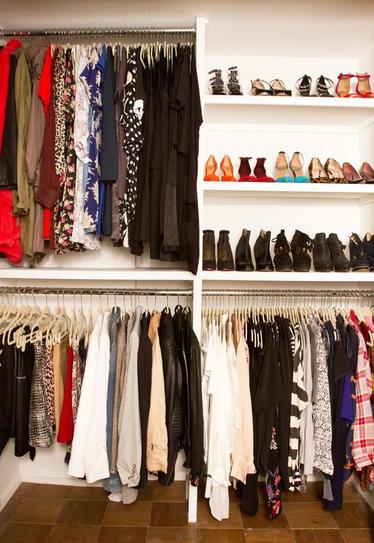
Once you’ve culled the items you don’t want using this clever trick, Fascitelli advises making three piles: One that’s made up of better stuff that you can consign, one pile to offer to friends or family, and another to donate to an organization like Housing Works, Goodwill, or the Salvation Army. It’s also useful to ask a friend or sibling whose style you admire to come over and help—he or she might offer insight on new ways to wear something, and be honest about whether an item really looks that good on you.
MORE: The 9 Best Places to Sell Your Clothes Online
So there you have it: Every time you need to cut clutter, go through your things one by one and ask yourself whether you’d shell out money for each item right now. Not only will this help you get (and stay!) organized, but it also provides some insight for future shopping trips.