Remi Bader’s Weight Loss Surgery Is Done As a ‘Last Resort’—Behind the Procedure That Made Her ‘Want to Die’
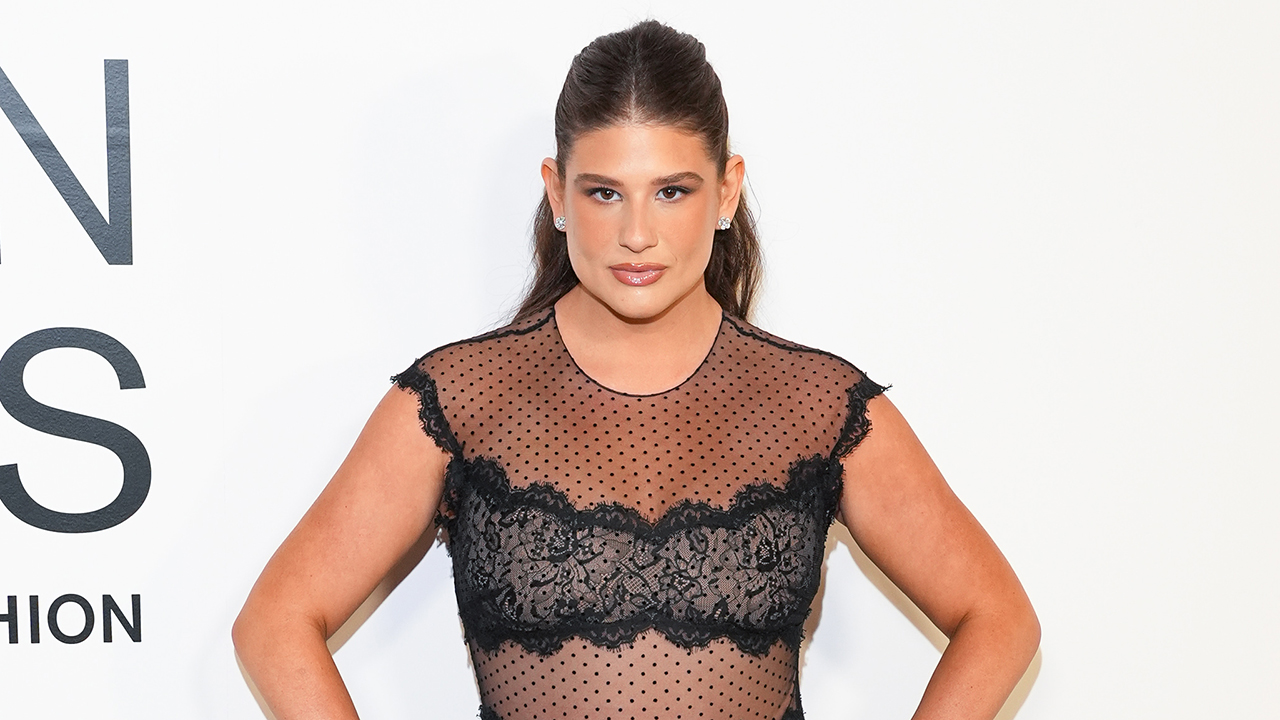
This article mentions eating disorders, weight loss, and suicide. Remi Bader is opening up about her weight loss journey. The TikTok influencer was vulnerable with Self about her procedures and the health problems that led to it.
She opened up to Khloé Kardashian in her Wonder Land podcast about being open to her followers about her health and body image “I always said if I was uncomfortable in my body or struggling. I was very open that I was struggling, but I was this person that was like, ‘But be confident in whatever you look like,'” Bader said. “And I still do believe that … if you are in a bigger body, you could be happy. You could be healthy.”


Related: Remi Bader Spills on Her 1st Celebrity Crush & Which Fashion Trend She Refuses to Wear
Bader also added that she developed an eating disorder. “I would always do the diet and restrict cycle, which only got worse over time,” she explained. And it worsened that 2019 email to her dietitian, she pleaded, “If you have any tips, I am getting pretty desperate….It’s scaring me because I can’t seem to snap out of it.”
If you or someone you know needs mental health help, text “STRENGTH” to the Crisis Text Line at 741-741 to be connected to a certified crisis counselor.
What weight loss surgery did Remi Bader get?
It was after dealing with a big list of symptoms, that Remi Bader consulted with her doctor who recommended for her to undergo a newer procedure called single anastomosis duodenal-ileal bypass with sleeve gastrectomy (SADI-S) “I want to let you know I’m doing this surgery. I’m not asking,” she recalled to Self telling her family and friends. “I just want to let you know I’m doing this for me and my health.”
Before she received the surgery, her doctors recommended her Ozempic, and added Metformin. However, she recalled that the binges returned and she never took the medication again.
According to Sasha De Jesus, MD, people who take the medication experience symptoms again “or even intensify—after discontinuing the medication, particularly if underlying emotional, psychological, or environmental triggers weren’t addressed. The contrast between being on versus off the medication can be jarring and may make symptoms feel worse than baseline.”
What is SADI-S?
According to Mayo Clinic, the first step of SADI-S is a sleeve gastrectomy. The second part involves a section of the small intestine known as the duodenum is closed off just below the new stomach sleeve. This opening below the new stomach is then connected to a part of the lower small intestine called the ileum. This is the duodeno-ileal bypass.
The procedure food goes through the pouch and directly into the latter portion of the small intestine. The food then mixes with digestive juices from the first part of the small intestine. This allows enough absorption of vitamins and minerals to maintain healthy levels of nutrition. There is also less time and distance for the body to absorb fat and calories.
According to NYU Langone’s Dr. Christine J. Ren-Fielding, the surgery is often used a last resort. “Nobody wants to have surgery,” she told Self. “[Patients] usually come to me when they’ve tried every option to lose weight…diet, exercise, inpatient weight management centers like Duke. They’ve been on low-calorie diets, Atkins, keto—I mean everything—and they’ve either lost a lot of weight but weren’t able to maintain it, or they did not lose enough weight because it was just too difficult to stay on that plan for a prolonged period of time.”
Bader was suffering after she received the procedure. “I get the surgery. I was in recovery hours, hours, hours, hours, throwing up,” she recalled to Self. “It was not normal. I was supposed to leave [the hospital] in one day. I could not stop projectile vomiting, and I couldn’t drink water. They won’t let you leave if you can’t drink water,” she says. “I actually can’t explain how horrible it was.”
“I’d gotten into a very, very deep depression, and it was truly the scariest time of my life,” she continued. “I couldn’t tell people. I really—I wanted to die.”
She later overcame the aftereffects and is currently taking steps to better her self-care routine. “I think I’ve let so many people take my power away for a long time,” she told the outlet. “I will never regret having my time to heal, and I’m still healing and figuring it out…. That was none of the internet’s business—these people that don’t know me—and that was for me to figure out.”