What Is Samhain? The History of Halloween
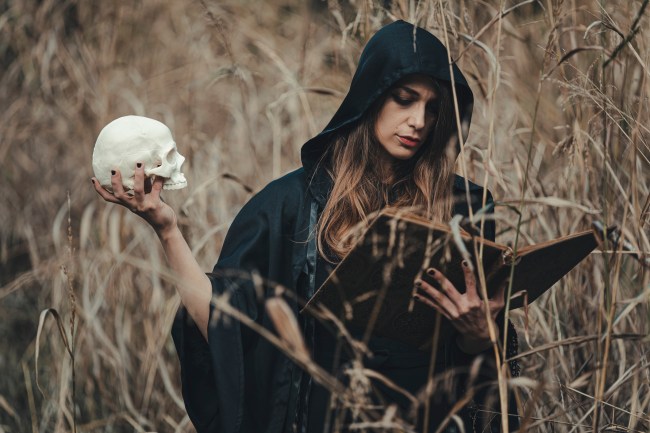
Celebrated from October 31 to November 1, Samhain was considered to be one of the most important ancient holidays in the Celtic and pagan traditions. According to History.com, “Ancient Celts marked Samhain as the most significant of the four quarterly fire festivals, taking place at the midpoint between the fall equinox and the winter solstice. During this time of year, hearth fires in family homes were left to burn out while the harvest was gathered.”
Hereditary witch, Sunshine Estardavis, claims that Samhain was the holiday that “marked the turning of the wheel of the year”. During these celebrations, the final harvest was collected while clearing away dead brush in gardens and orchards. “Because this was one of the last chores to do before winter, there would be a collective sharing of the fruits of their labor from the last year. What better way to celebrate the end of a happy harvest than with a feast with drinks and dancing!” exclaims Estardavis.
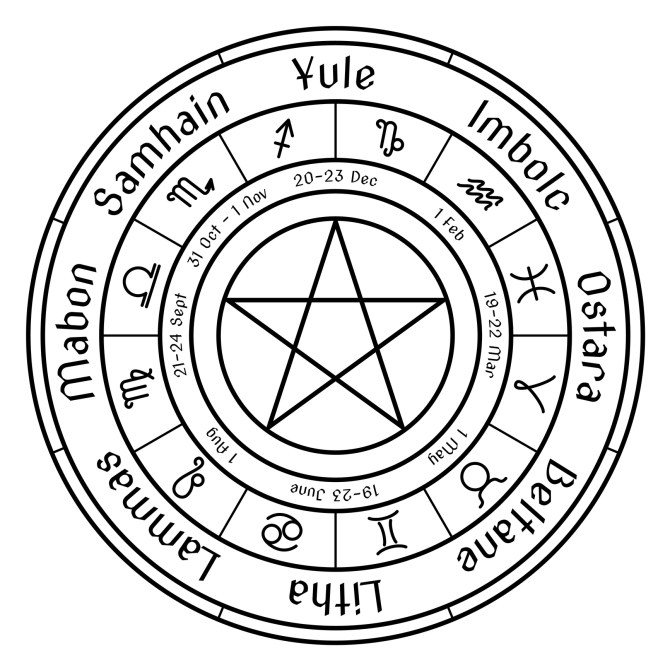
History.com also reports that celebrations would last a few days, since Samhain is often considered a “gluttonous” holiday. Everybody was expected to partake in one way or another to give thanks, or else they may be susceptible to the wrath of the spirit realm. Like Beltane, Samhain is believed to be a time when the veil is the thinnest between our world and the spirit world, so the spirits were able to partake in the jubilee. Offerings were given to other creatures, such as fairies, to avoid potential issues during the celebrations.
No matter if it is ancient times or the present day, Samhain is a joyful holiday! As the festivities begin, you may feel increasingly light and free-spirited. Spend Samhain thanking your spirit guides for their assistance while keeping an eye on what you will want to accomplish or work on in the year to come.