Harper Lee, Author of “To Kill a Mockingbird,” Has Died at Age 89

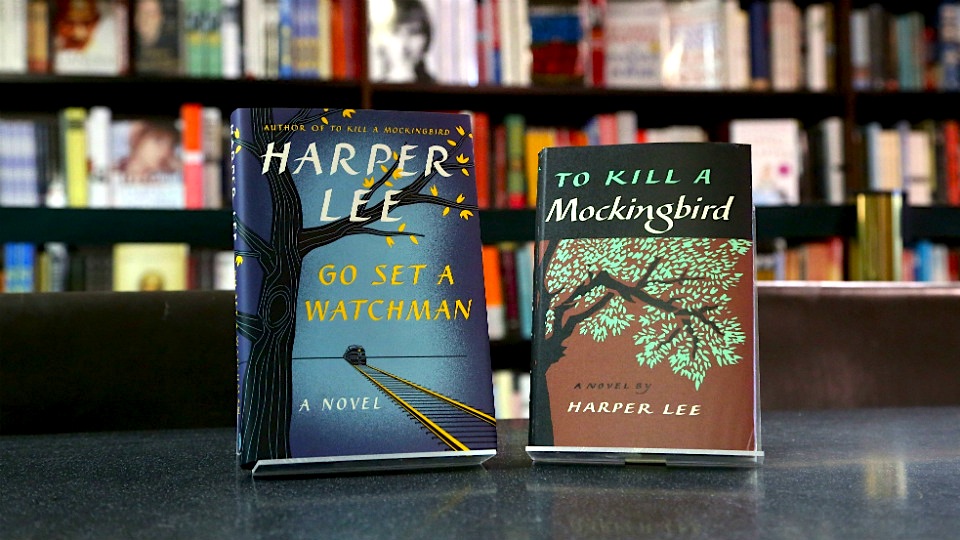

Harper Lee, the legendary author of To Kill a Mockingbird and Go Set a Watchman has died at age 89. HarperCollins, Lee’s publisher, confirmed the news Friday to the New York Times.
Lee won a Pulitzer Prize for fiction in 1961 for the beloved novel Mockingbird, which was then adapted into a 1962 movie starring Gregory Peck. We’re sure you don’t need a reminder, but the story revolved around Scout Finch and her lawyer dad, Atticus Finch, as he fought to defend a black man falsely accused of raping a white woman in the American South.


Lee moved to New York in 1949, working as an airlines reservations clerk while chasing her dream of becoming an author. Eight years later, her first manuscript for Mockingbird was sent to J.B. Lippincott & Co. and then published on July 11, 1960.

Following the success of her first book, Lee continued living a quiet life in her hometown in Alabama, mostly avoiding the public eye. When she did make public appearances—usually to accept awards—Lee rarely spoke, earning her a reputation as a recluse.
Before she stopped doing public interviews, Lee told a radio station in 1964 that the success of her 1960 novel came as a complete surprise: “I never expected any sort of success with Mockingbird. I was hoping for a quick and merciful death at the hands of the reviewers, but, at the same time I sort of hoped someone would like it well enough to give me encouragement. I got rather a whole lot [of encouragement], and in some ways this was just about as frightening as the quick, merciful death I’d expected.”
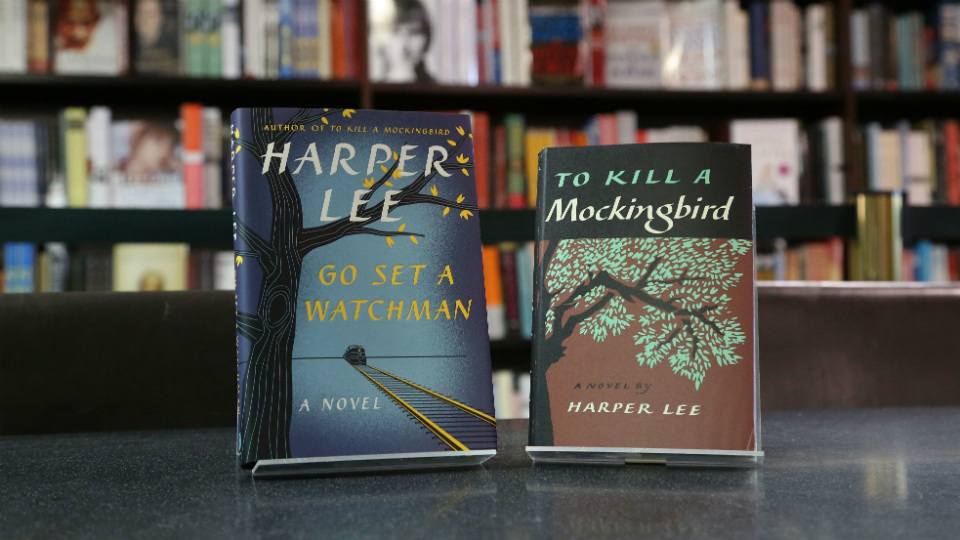
She released a sequel to her classic book last year, Go Set a Watchman, a novel following the lives of a now-grown-up Scout and her father. The decision to finally publish the book was surrounded with controversy, as some critics questioned whether Lee was mentally capable to agree to the book’s release. Also, the character of Atticus Finch in the second book takes on opinions regarding race that contradict his relentless pursuit of justice in the original story.