
Cruelty-free and eco-friendly do not always go hand in hand. As Edited pointed out, “there is still the question of scaling sustainable alternatives to vegan products.”
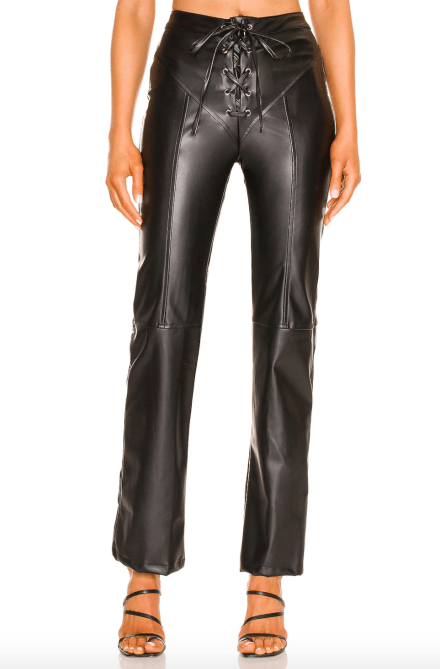
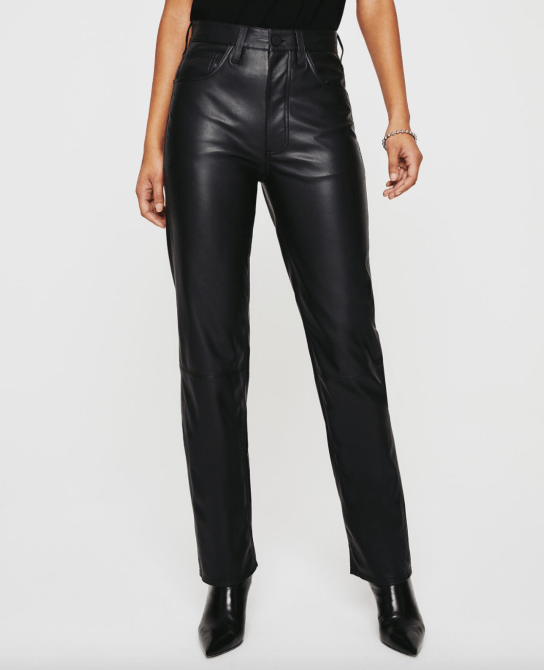
While Jacron, known for its leather-like appearance and durability, is a common leather substitute, other vegan alternatives are often made from synthetic materials such as petroleum-based polyurethane (PU) or polyvinyl chloride (PVC), which Greenpeace described as the “single most environmentally damaging type of plastic.”
“Both pose serious environmental threats given that they are usually manufactured from fossil fuels and are not biodegradable,” said Elif Haslaman, general manager of DeriDesen Etiket, a Turkish trims manufacturer, noting that “vegan does not necessarily mean natural.”
Trims suppliers, however, are in the pursuit of responsible vegan alternatives. Pineapple leather, apple skin, cork, organic fabrics and stone paper—a paper made from limestone versus trees—are among DeriDesen Etiket’s vegan-friendly options. Several alternatives also tout industry-recognized certifications like Global Recycle Standard (GRS), Oeko-Tex, FSC and Global Organic Textile Standard (GOTS).
“Vegan trims are important to our clients,” said Gloria Crivellaro, Ribbontex export sales manager. “They know exactly what they want and what they don’t want, and this is extremely important and positive.”
Along with vegan leather, the Italian trims manufacturer offers a range of solutions produced with hemp, organic cotton, recycled plastic bottles and biodegradable materials. These alternatives, she added, are often better than traditional leathers.
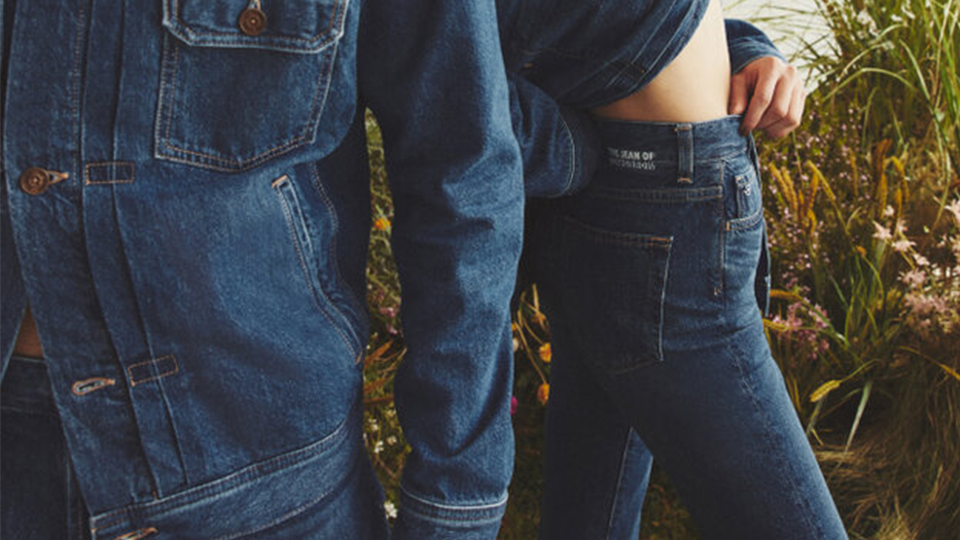
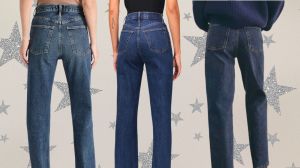
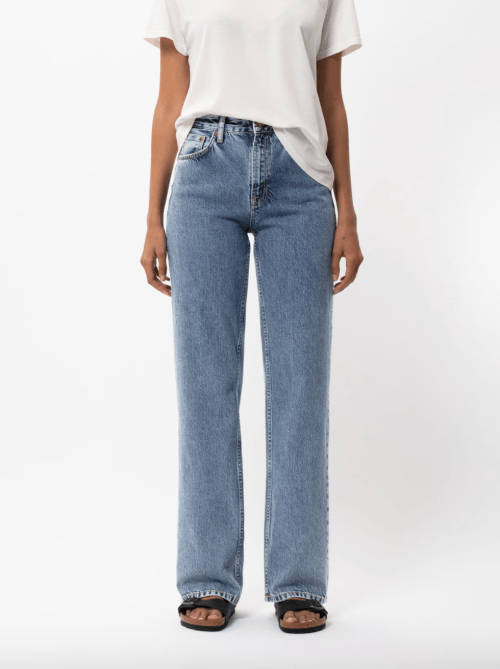
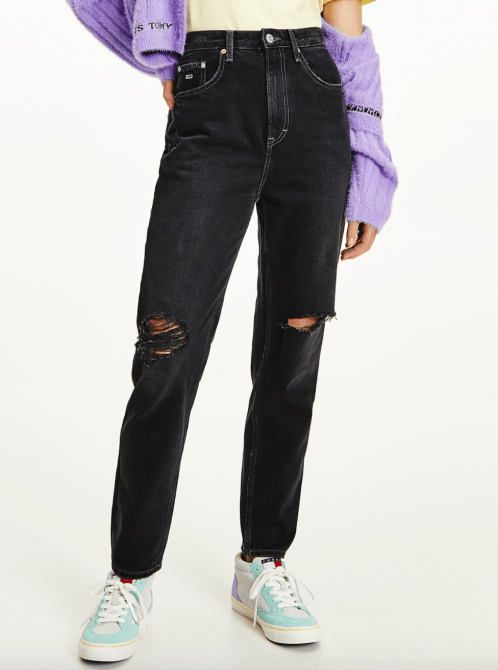
Vegan jeans are also a side effect of denim’s sustainable makeover, particularly new collections that align with Ellen MacArthur’s Jean Redesign project, an industry-wide effort to put circular jeans in the market. While the guidelines do not single out leather, they do require easy disassembly of trims for recycling, which some participants like Blue of a Kind and H&M are responding to by keeping their circular jeans patch-free. Others, such as Tommy Jeans, laser-print pieces of sustainable denim to use for patches in their Jean Redesign collections.
Indeed, sustainable material alternatives are increasing by the season. Since 2020, Haslaman said 80 percent of DeriDesen’s production is produced from certificated sustainable materials. The company’s target for 2021 is 95 percent. “Alternative sources for new materials are increasingly being sought and new manufacturing methods developed,” she said. “They are an important addition to improving the choice of sustainable materials.”
And the pandemic only reinforced the denim sector’s commitment to sustainability. Crivellaro described 2020 as a “watershed year” with one major positive: it provided the wake-up call for “a more sustainable, ethical and ecological” approach to designing and manufacturing down to the smallest details.
“I have been working in this industry for more than 15 years,” Crivellaro said. “I find the combination of denim and vegan surprisingly stimulating, so I really hope this will be key to getting off to a great restart.”