The Rise of the Dark Shower—& How to Perfect It


All products and services featured are independently chosen by editors. However, StyleCaster may receive a commission on orders placed through its retail links, and the retailer may receive certain auditable data for accounting purposes.
If you’re chronically online, you’ve probably heard of “dark showers”. If not, they’re exactly what they sound like: showering with the overhead lights off or dimmed. Using just one soft, moody light source has drawn considerable talk online as a way to boost mood and lower stress while showering—the perfect ending to a long day.
It sounds pretty straightforward, but what do experts think of the trend? “If a dark shower helps someone relax and reduce stress levels, that can support healthier skin over time. This may translate to fewer stress-related flares, improved barrier function, and better overall skin resilience,” explains New York-based dermatologist Dr. Brianna Olamiju, MD. “While the lighting itself isn’t therapeutic, the stress reduction component absolutely matters in dermatology.” She notes that stress is a well-established trigger for many skin conditions including acne, eczema, psoriasis, rosacea, and chronic hives. “Elevated stress increases cortisol and inflammatory signaling in the body, which can worsen breakouts, delay barrier repair, and provoke flares,” she adds.


But while the time in the tub can be calming to the nervous system, dermatologists do make a subtle warning to showerers.
“In very low light or darkness, people may be more likely to miss areas when cleansing (such as the back, underarms, or behind the ears) or to exfoliate unevenly or too aggressively without visual cues. This can be relevant for individuals with acne-prone skin, folliculitis, or conditions like keratosis pilaris,” says Dr. Olamiju. She also notes that dim showers may make noticing skin changes, like new rashes or signs of infection, a bit harder (and thus may make these discoveries easier to overlook until symptoms worsen).
“I generally advise patients that if they enjoy dark showers for relaxation, they should balance that with practical skin care habits: avoid overly hot water, keep showers short, cleanse gently, moisturize immediately afterward, and do periodic full-body skin checks in good lighting,” says Dr. Olamiju. In other words, think of dark showers as a wellness ritual—not a replacement for attentive skin care.
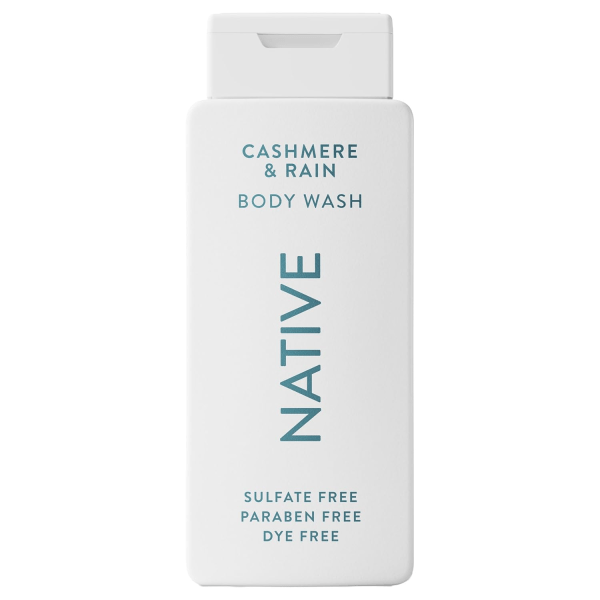
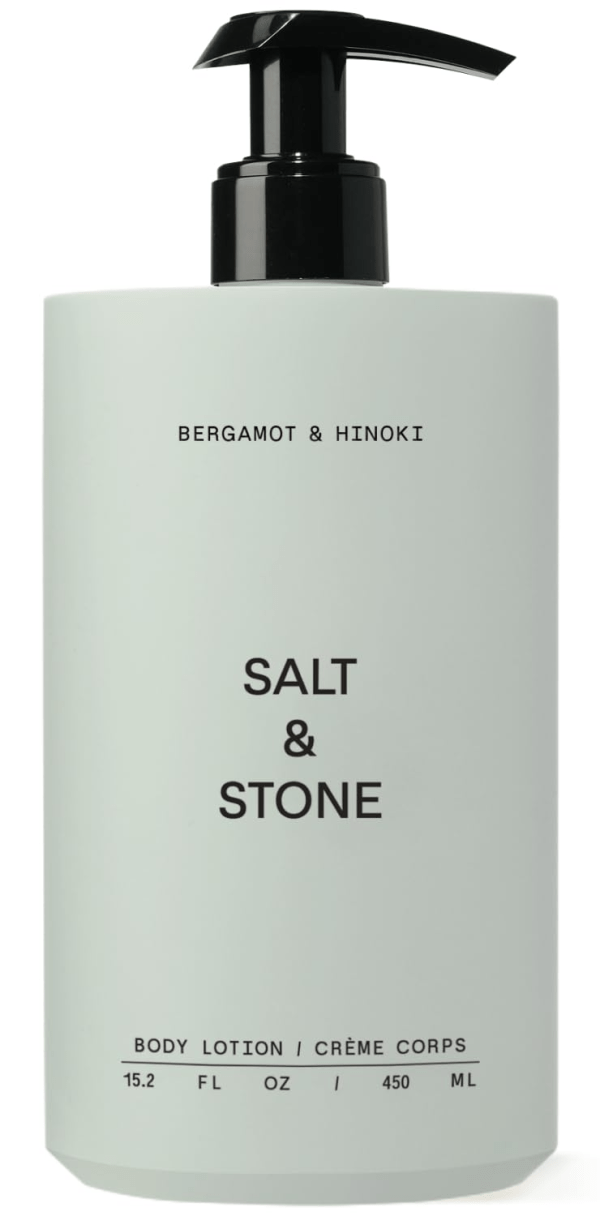
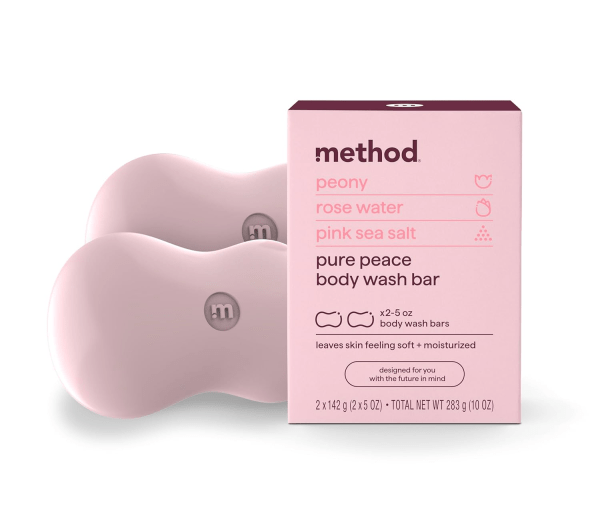
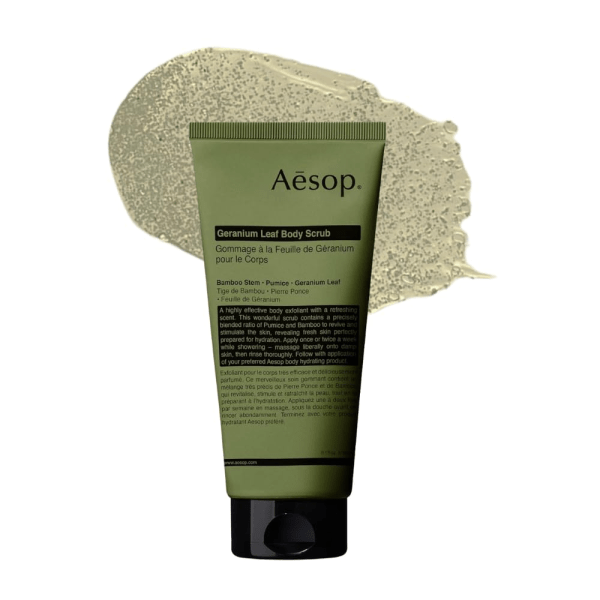
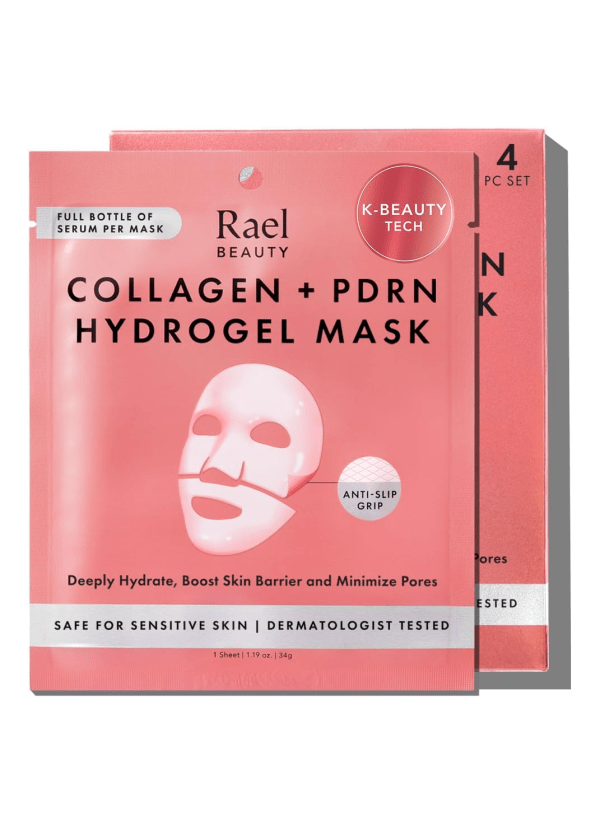
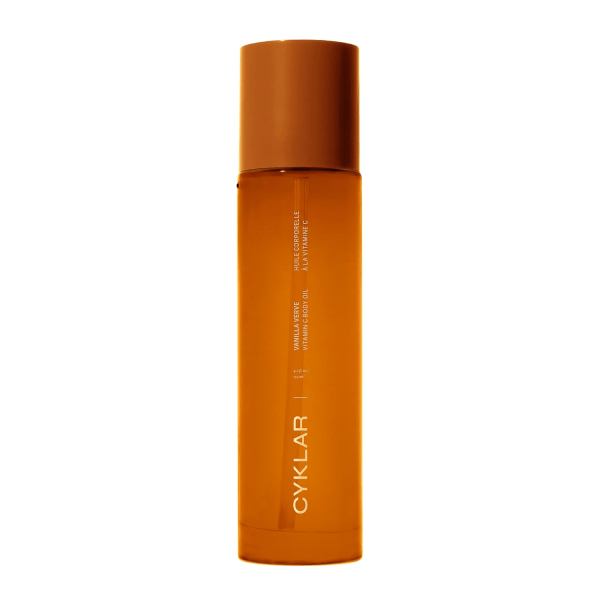
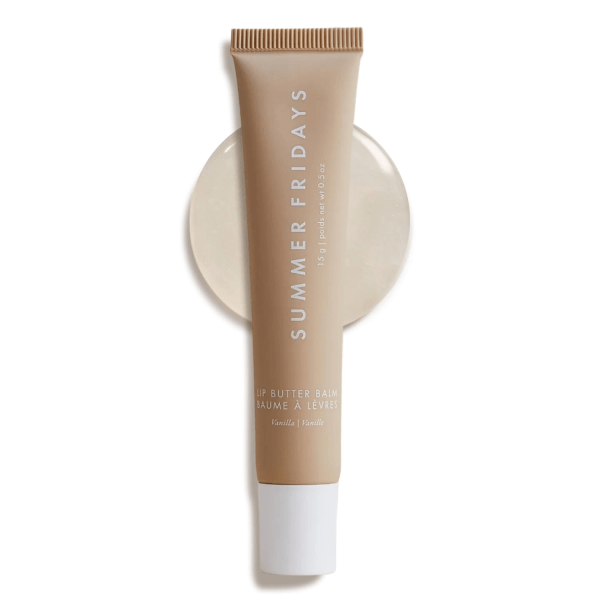
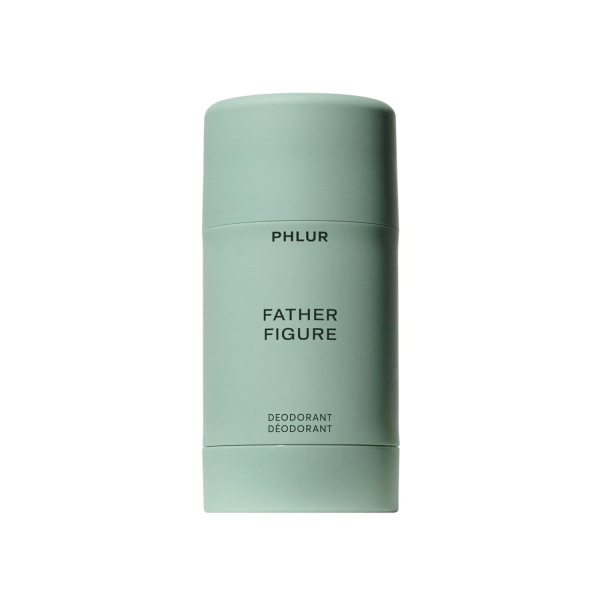
Dying to hop in the tub and put this whole dark shower trend to the test? Ahead, find some of the best products for your new, buzzy wellness routine.
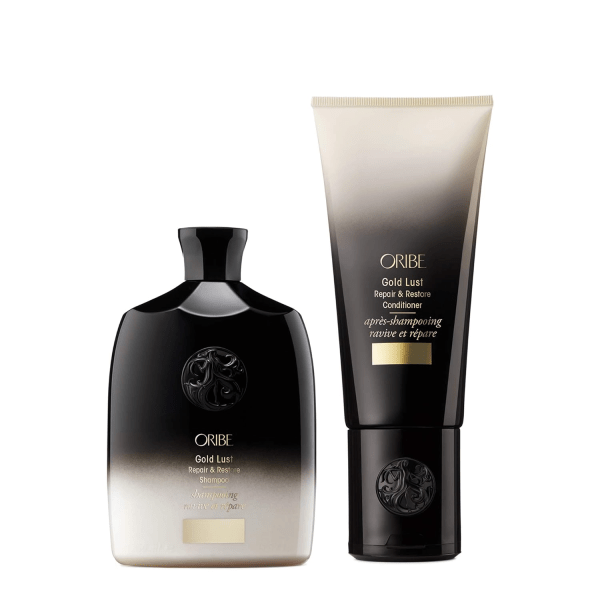
Editor’s Note: “I just started using these two products together, and wow, my locks have never felt softer (that’s saying a lot since I’ve tested quite a few shampoos and conditioners over the years). I also love the fragrance—it smells like it’s straight from the salon. The ingredients and scent make me feel like I’m truly treating my hair to all the good stuff.” —Katie Decker-Jacoby, Commerce Editor