Alerts & Newsletters

By providing your information, you agree to our Terms of Use and our Privacy Policy. We use vendors that may also process your information to help provide our services. This site is protected by reCAPTCHA Enterprise and the Google Privacy Policy and Terms of Service apply.

The 15 Best Eczema Shampoos for Soothing Dry, Itchy Scalps This Winter, According to Dermatologists

Because eczema only gets worse in the winter.
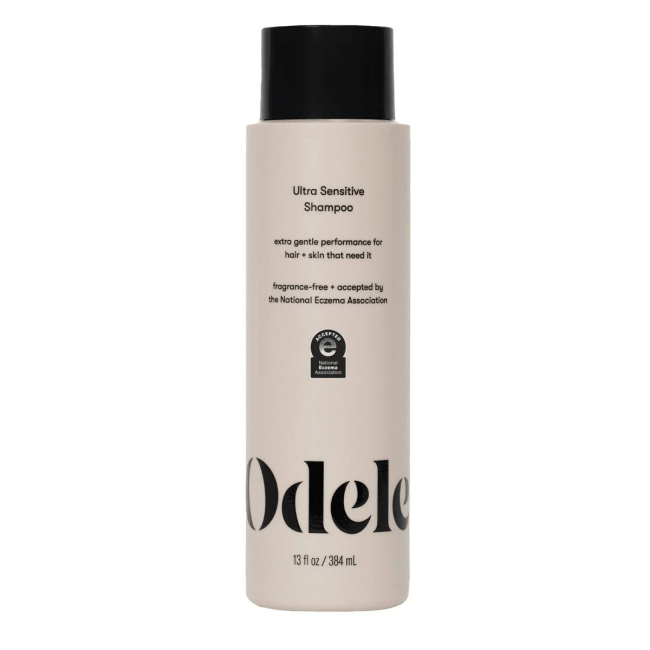
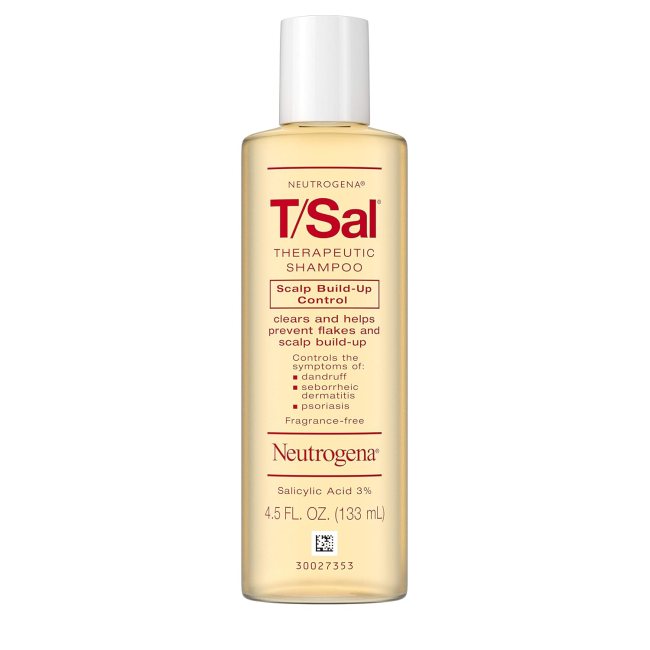
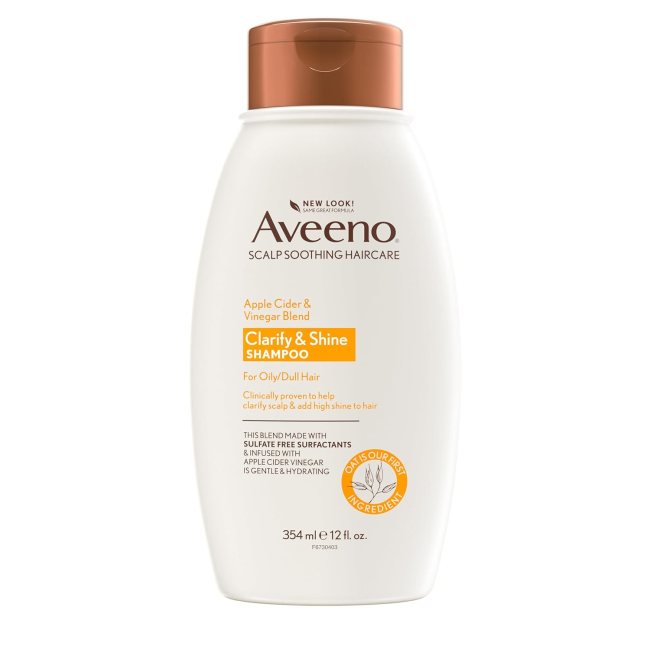
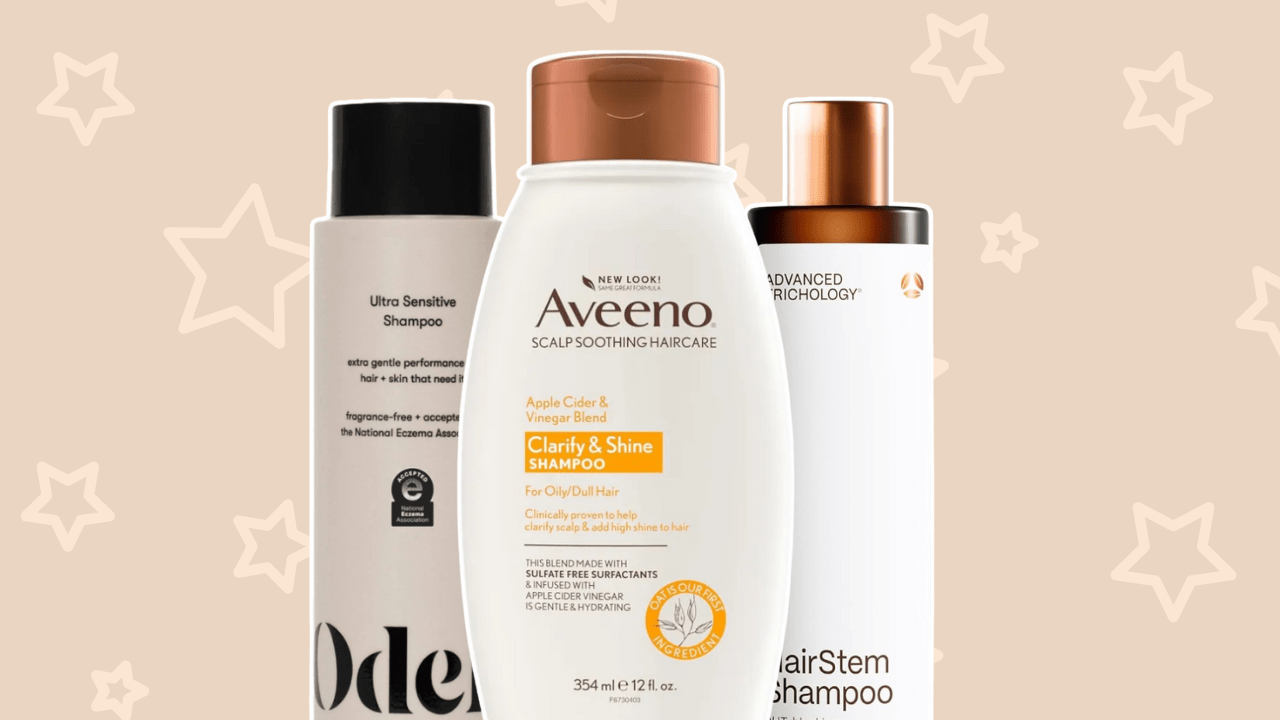
Light tan background with stars and three bottles of shampoo.
Images: Odele, Aveeno, Advanced Trichology. Design: Jessie Quinn / StyleCaster

All products and services featured are independently chosen by editors. However, StyleCaster may receive a commission on orders placed through its retail links, and the retailer may receive certain auditable data for accounting purposes.

If you routinely deal with eczema—flare-ups of dry, itchy, and often red patches on the skin—then you likely know it only gets more aggravated in the winter. The combination of cold, dry air and excessive use of hot water can cause the skin concern to appear more often, especially on the scalp.

Luckily, there are options that specifically target eczema flare-ups and alleviate the symptoms, including shampoos that are gentle enough to implement into your regimen on a regular basis. In fact, these shampoos cater to those with sensitive skin and offer nourishing benefits that go above and beyond your typical shampoo formulation.

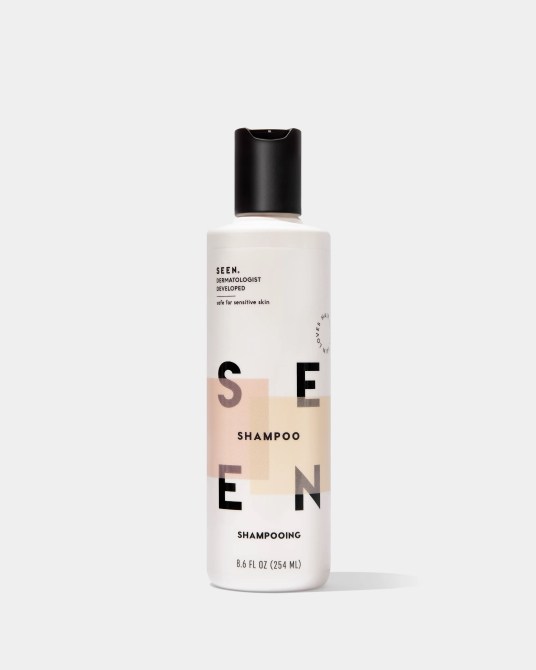
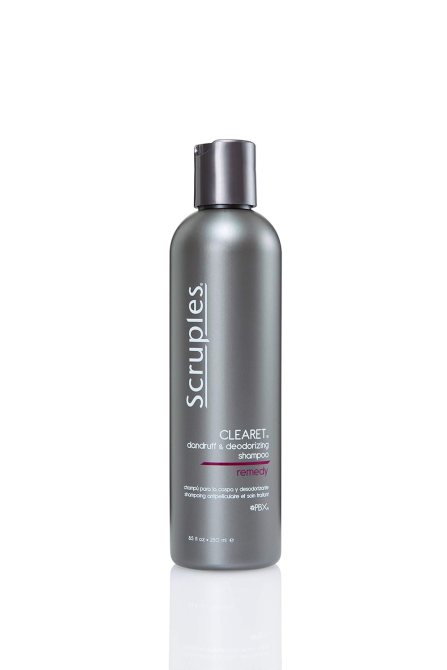
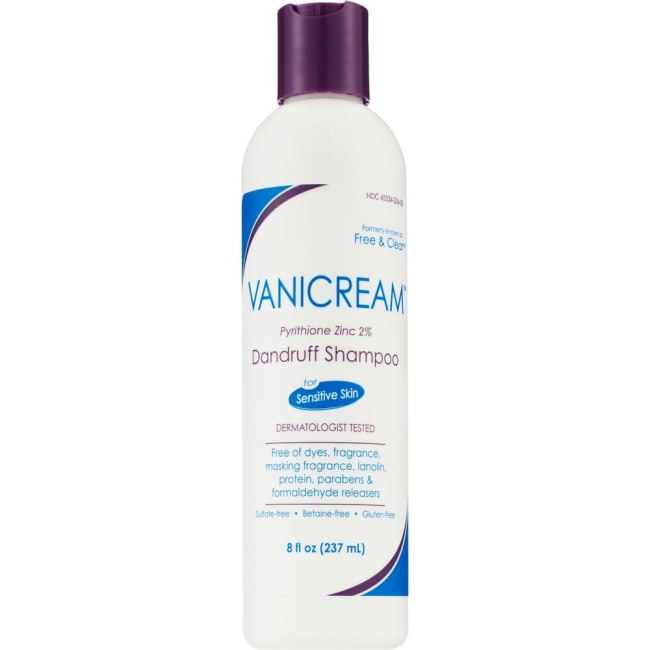
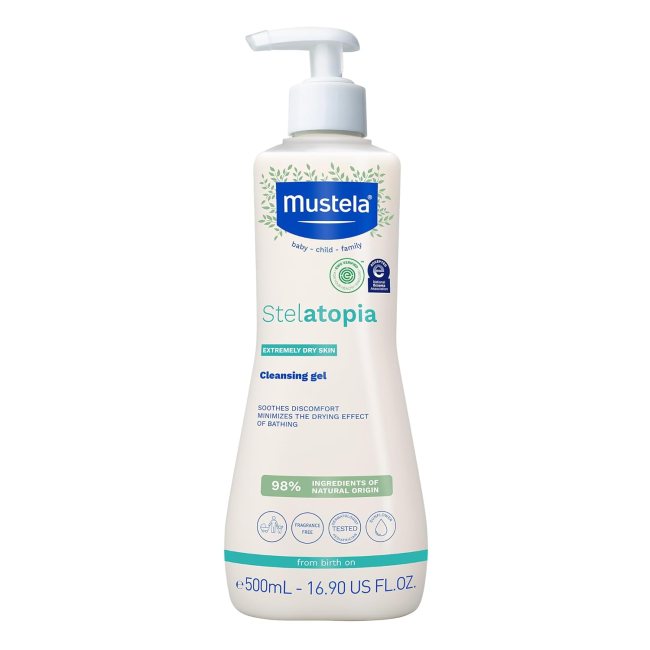
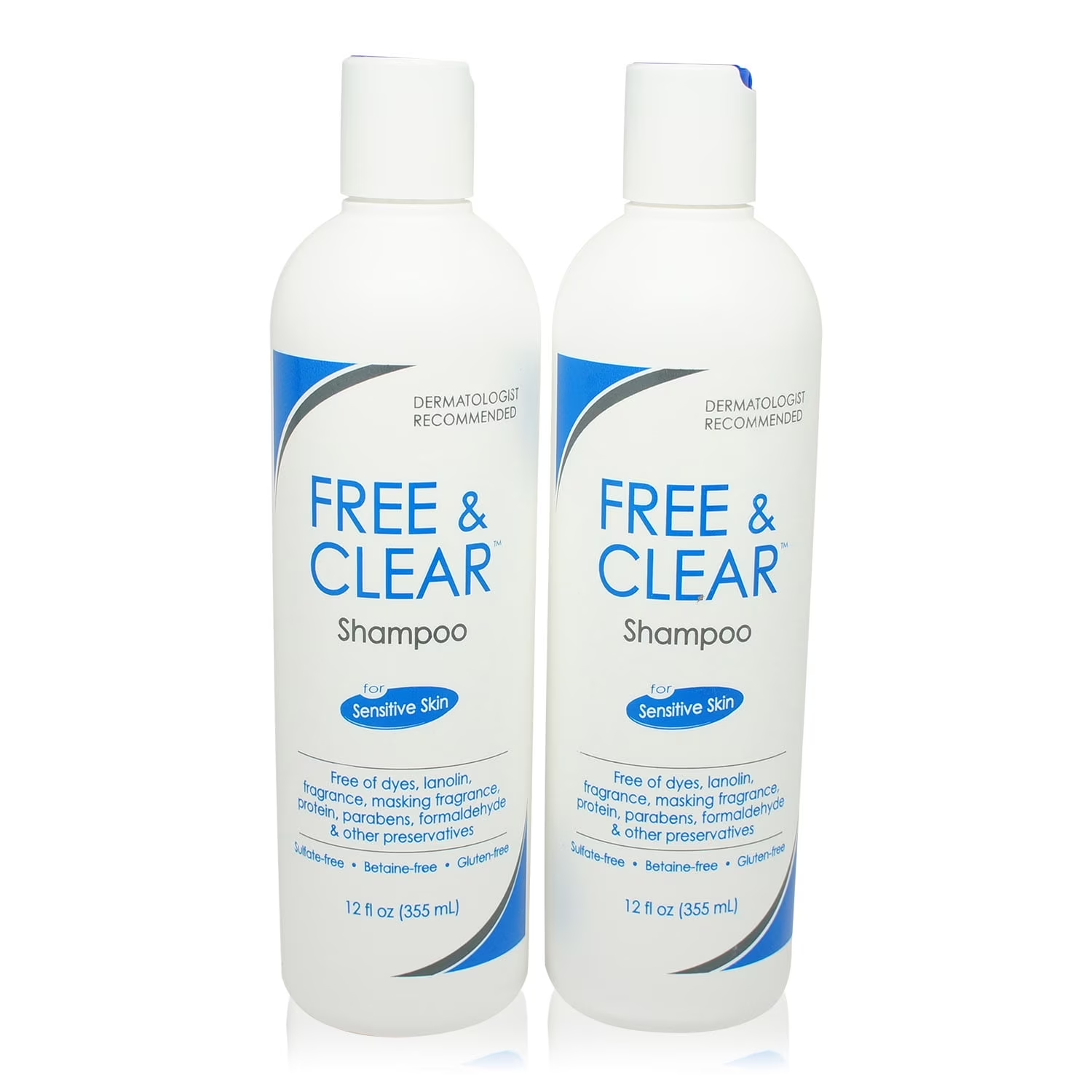
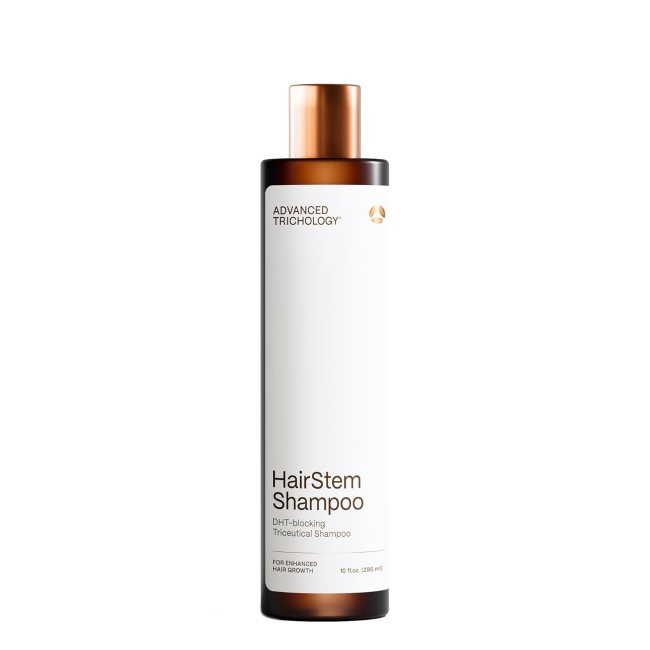
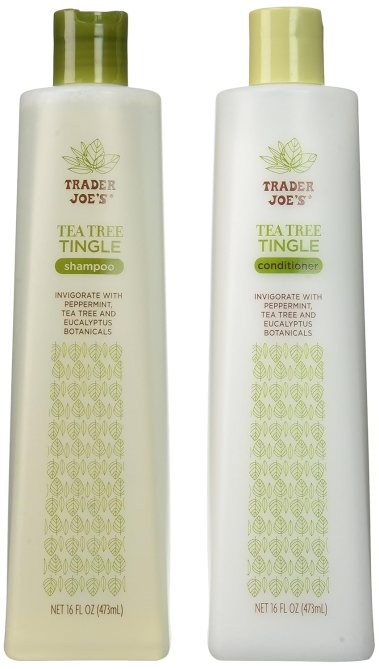
Best Shampoos for Eczema at a Glance

That said, if you’re worried about adding a new formulation into the mix (and risk even worse flare-ups), it’s always wise to consult with a dermatologist to address your concerns. Fortunately, we tapped several board-certified dermatologists to give us their guidance on selecting the best shampoo for eczema, alongside their top recommendations from popular retailers, like Amazon, Target, Ulta, and Walmart.

What should I look for in a shampoo for eczema?

“When selecting a shampoo for eczema, it’s important to look for products that are free from irritating chemicals, fragrances, and common allergens,” says certified dermatologist, Dr. Angela Brimhall of Sage Dermatology & MOHS Surgery Clinic. “Shampoos can be difficult to ‘patch test’ because they were not designed for long contact with your skin. Depending on the severity of your eczema, consider consulting with a dermatologist for personalized recommendations tailored to your unique needs.”

What ingredients are best for a shampoo for eczema?

When shopping for the best shampoos for eczema, Dr. Tiffany Libby, a double board-certified dermatologist and Mohs surgeon, says to “look for proven anti-flake [and] anti-yeast actives like ketoconazole, selenium sulfide, zinc pyrithione, or sulfur.” If you experience thicker eczema scale, Dr. Libby says salicylic acid is also worth looking for on the back of the bottle. 

Tea tree oil is another ingredient to consider, says William Gaunitz, FWTS, a certified trichologist. “Eczema [is] typically caused by an immune malfunction related to excessive yeast or fungus in a particular area, [and] tea tree oil can be extremely effective at minimizing the yeast and fungus, thus reducing or eliminating the eczema.” He also recommends rosemary and lavender essential oils, as well as anti-inflammatories such as zinc and grapefruit seed extract. 

What should I avoid in a shampoo if I have eczema?

According to James Kilgour, MD, Dermatologist at Stanford and Founder of KilgourMD, one of the most important things to look for is what is not in the shampoo. “For dry, eczema-prone, sensitive skin, I always recommend using sulfate-free shampoos. The common sulfates sodium lauryl sulfate (SLS) and sodium laureth sulfate (SLES) are far too astringent and drying for eczema-prone skin and will likely flare the skin. I also recommend avoiding products with added fragrance, as perfume is the number one skin allergen. In terms of beneficial ingredients, I recommend looking for a hydrating shampoo containing glycerin, hyaluronic acid, non-fragrant plant emollients such as jojoba and coconut oil, and shea butter, as well as ceramides.”

What ingredients should I avoid in a shampoo for eczema? 

According to dermatologist Dr. Victoria Humphrey, this is the most important question for people with eczema-prone, sensitive scalps. “Fragrance, Balsam of Peru, nickel, and preservatives, including lanolin, paraben, Methylchloroisothiazolinone (MCI), and methylisothiazolinone (MI) are common culprits that can exacerbate eczema,” she explains. Additionally, Dr. Humphrey notes that just because a product is labeled all-natural doesn’t actually mean it’s ideal for eczema-prone or sensitive skin. “Many botanicals and essential oils can irritate the skin and lead to eczema flares.” 

Dr. Libby also says the cocamidopropyl betaine in tear-free shampoos can sometimes cause irritation. And, if you’re already dry or inflamed, she recommends going easy on “very stripping detergents and high-alcohol, leave-on scalp products, which can sting and worsen barrier irritation.”  

How do I properly wash my scalp?

When washing your scalp, Dr. Libby says to treat your scalp like skin—because that is exactly what it is. And, before you apply the shampoo to your head, Dr. Humphrey says to first add the product to the palm of your hand and lather well. From there, you can “apply shampoo directly to the scalp (not just the hair), massage gently with fingertips and rinse thoroughly,” says Dr. Libby. Instead of rinsing right away, leave the shampoo on your scalp for three to five minutes, then rinse. 

“If you’re using a medicated dandruff or seborrheic dermatitis shampoo, follow the directions and let it sit for about five to 10 minutes before rinsing, so the active ingredient has time to work,” says Dr. Libby. Seborrheic dermatitis shampoos are usually used between two to three times per week for a few weeks, before tapering down to once per week every one to two weeks for maintenance. “If you wash less frequently, use the medicated shampoo on wash days and alternate with a fragrance-free gentle shampoo as needed for comfort,” Dr. Libby notes. 

Gaunitz also recommends putting the repeat in “rinse and repeat” by washing twice in a row to completely cleanse the scalp. “Eczema leaves a buildup of dead skin cells on the surface of the scalp that will block the action of an effective eczema treatment shampoo.” For the first wash, you can get away with massaging shampoo into the scalp for 30 seconds before rinsing. Then, with the second wash, you’ll want to massage it in for 30 more seconds and then let it sit as Dr. Libby suggests.

Our Experts

StyleCaster Daily
Get the latest news and style intel delivered to your inbox.

By providing your information, you agree to our Terms of Use and our Privacy Policy. We use vendors that may also process your information to help provide our services. This site is protected by reCAPTCHA Enterprise and the Google Privacy Policy and Terms of Service apply.

PMC Logo
StyleCaster is a part of Penske Media Corporation. © 2026 SheMedia, LLC. All Rights Reserved.