By providing your information, you agree to our Terms of Use and our Privacy Policy. We use vendors that may also process your information to help provide our services. This site is protected by reCAPTCHA Enterprise and the Google Privacy Policy and Terms of Service apply.

All products and services featured are independently chosen by editors. However, StyleCaster may receive a commission on orders placed through its retail links, and the retailer may receive certain auditable data for accounting purposes.
It’s no secret that your skin changes in your 30s and 40s. The glow that once came easy suddenly feels harder to maintain, fine lines start making surprise appearances, and uneven tone or stubborn dark spots appear on your cheeks. That’s where a solid vitamin C serum comes in. Dermatologists consistently name this antioxidant as one of the most effective anti-aging ingredients—and one that’s worth investing in once you hit this stage of life.
“Antioxidants reduce the impact of free oxygen radicals, which are unstable oxygen molecules that damage cell structures like DNA, lipids, and proteins,” explains Brendan Camp, MD, double board-certified dermatologist at MDCS Dermatology in New York City. “Preserving collagen levels and preventing its degradation is important, especially as we age because production starts to slow in our mid-to-late twenties.”
Now, not all vitamin C serums are made equal. And with what feels like thousands of toning tonics and brightening boosters on the market, navigating what to buy can feel impossible. Below is everything you need to know for bringing home a vitamin C serum in your 30s and 40s, plus, the ones derms want you to buy.
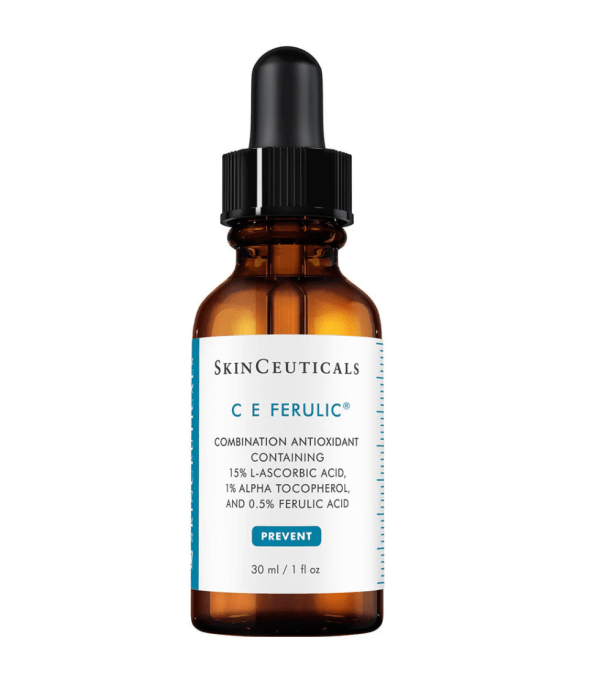
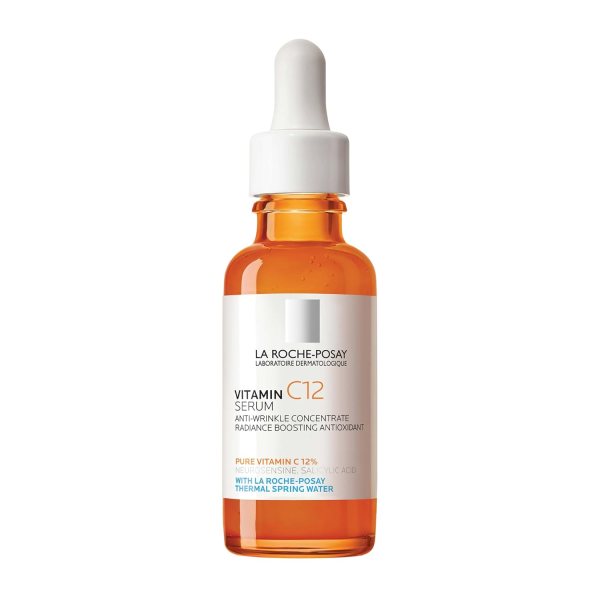
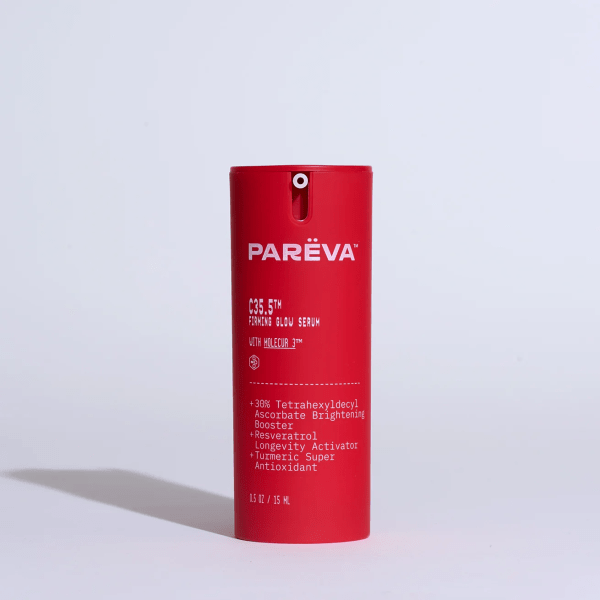
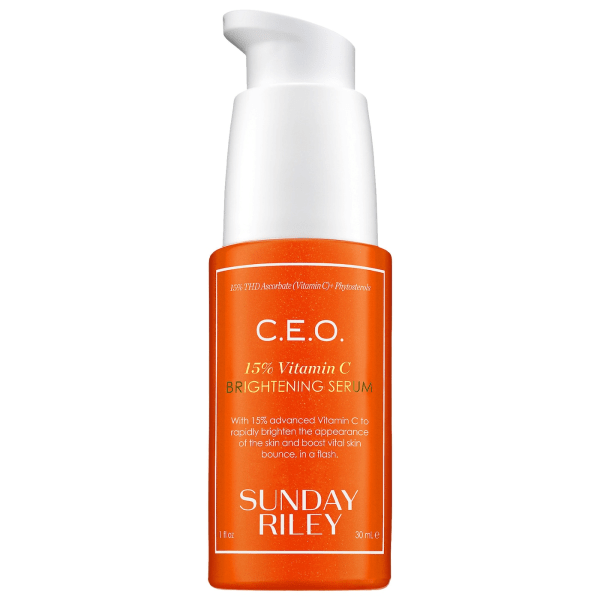
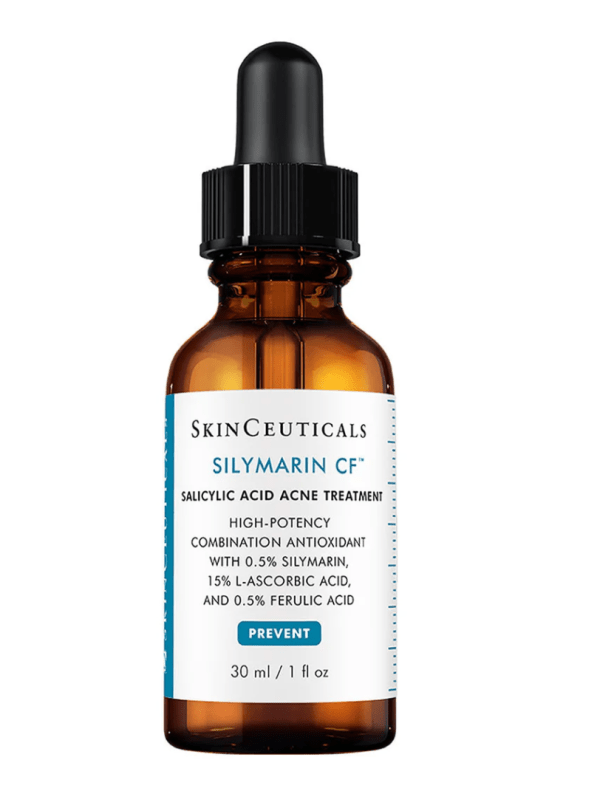
The first thing to check is the form of vitamin C listed on the label. L-ascorbic acid is one of the most popular forms of the active, but Dr. Camp says it can be irritating because of its low pH. “Other forms of vitamin C, while potentially weaker, may be better tolerated,” adds Dr. Camp. These include sodium ascorbyl phosphate, tetrahexyldecyl ascorbate, and magnesium ascorbyl phosphate.
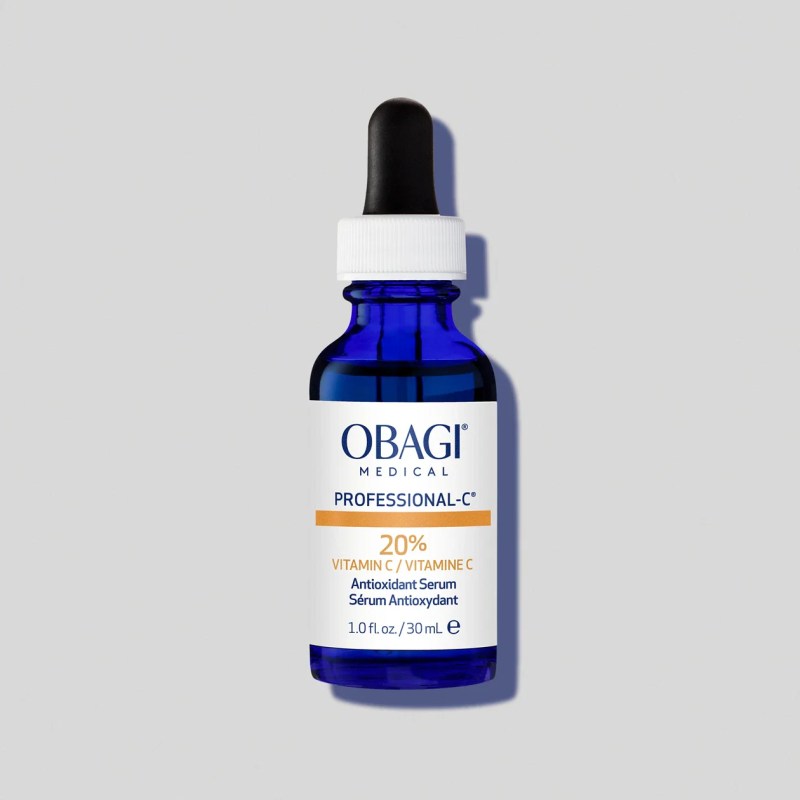
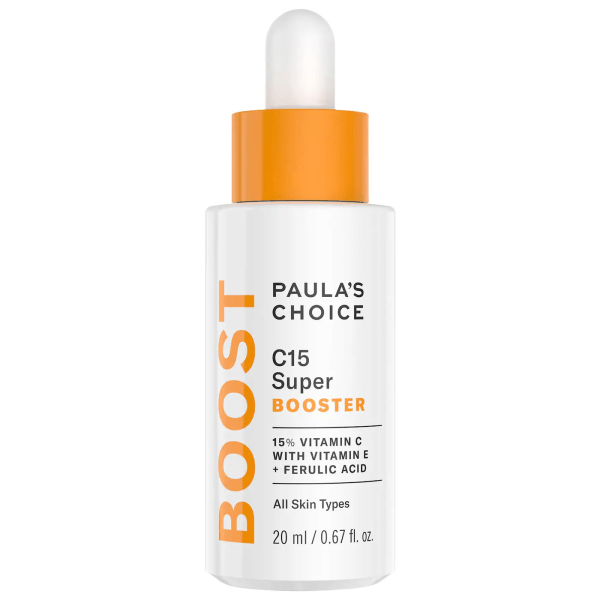
Concentration matters too. “The recommended concentration of vitamin C in serums is between 10 and 20 percent,” Dr. Camp advises. Beginners may want to start closer to 10 percent and work their way up as their skin adjusts. And finally, look for packaging that is opaque. Vitamin C is notoriously unstable and prone to breaking down with light and air exposure,” says Dr. Corey L. Hartman, MD, dermatologist and founder of Skin Wellness Dermatology in Birmingham, AL. Bonus points if the formula includes stabilizers like vitamin E or ferulic acid, which help preserve efficacy and extend shelf life.
“Vitamin C is best as part of your morning skincare routine, ideally delivered in a serum since the molecules are smaller and can penetrate deeper into the skin,” says Dr. Hartman. He recommends applying it three to four times a week (daily if your skin tolerates it), then layering moisturizer and sunscreen on top. What you don’t want to do: pair it with retinol or strong acids like AHAs and BHAs in the same routine, since that combo can be irritating and less effective. Instead, use vitamin C in the morning and retinol at night.
That said, not everyone’s skin will love vitamin C right away. “People with sensitive skin or skin conditions like rosacea and eczema should talk to their dermatologist before starting,” Dr. Hartman cautions. And if you’re acne-prone? Choose wisely: “I recommend selecting a vitamin C product that has a formula that can help combat oiliness, as vitamin C can increase oil production,” he adds.
Our mission at STYLECASTER is to bring style to the people, and we only feature products we think you’ll love as much as we do. CVS and Obagi Medical are STYLECASTER sponsors, however, all products in this article were independently selected by our editors. Please note that if you purchase something by clicking on a link within this story, we may receive a small commission of the sale.
By providing your information, you agree to our Terms of Use and our Privacy Policy. We use vendors that may also process your information to help provide our services. This site is protected by reCAPTCHA Enterprise and the Google Privacy Policy and Terms of Service apply.